
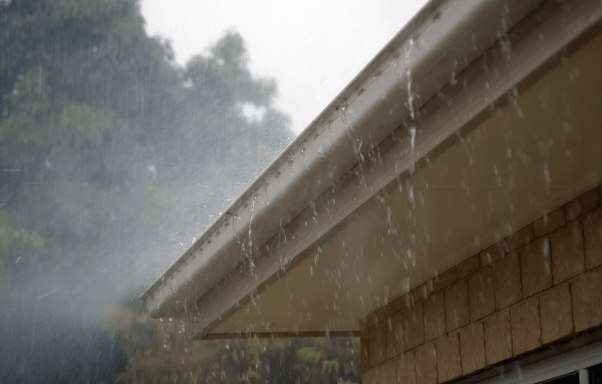
Drying after emergency roof tarping is where the real work begins — and where the outcome of a storm event is decided. The tarp is secured and the immediate crisis feels over, but inside your home, water that entered during the storm is still moving — soaking into attic insulation, wicking down wall cavities, and pooling on subfloor sheathing. In the Pacific Northwest, where Puget Sound storms can drop inches of rain in hours, what happens after the tarp goes up often determines whether a repair stays manageable or becomes a full structural remediation.
Water Damage After Roof Tarp
A tarp stops incoming rain, but it does nothing about the water already inside. Depending on how long the roof breach was open and how hard it rained, you may be dealing with saturated insulation, wet ceiling drywall, and moisture that has traveled well beyond the obvious wet spot.
Water follows gravity and capillary action simultaneously. It drips straight down, but it also wicks laterally through fiberglass batts and along wood framing. A roof leak above a second-floor bedroom can show up as a stain on a first-floor ceiling within 24 to 48 hours — sometimes faster in older homes with open framing bays.
The visible wet area on your ceiling is rarely the full extent of the damage. Professional moisture meters and thermal imaging reveal how far water has actually traveled through the structure.
Dry Out the Attic After Roof Tarp Before Hidden Moisture Spreads
The attic is where most of the damage concentrates first. Blown-in cellulose and fiberglass batt insulation absorb water readily and hold it for weeks without active drying. Wet insulation loses its thermal value, adds significant weight to ceiling assemblies, and creates exactly the warm, damp conditions that mold needs to establish itself.
Roof sheathing — typically OSB or plywood in Pacific Northwest homes — swells and delaminates when wet. Rafters and ridge boards can begin to show early signs of microbial growth within 48 to 72 hours under the right conditions. Getting moisture readings on every structural component in the attic is the first step, not an optional one.
Ceilings, Walls, and the Hidden Moisture Path
Once water saturates the attic floor assembly, it moves into the ceiling drywall below. Drywall is essentially a sponge wrapped in paper — it wicks moisture fast and releases it slowly. Wet drywall that isn’t dried promptly will lose structural integrity, and the paper facing becomes a food source for mold.
Wall cavities are the next concern. Water that reaches a top plate can travel down inside a wall all the way to the base plate and subfloor — completely invisible from the surface. This is why surface drying alone is never sufficient after a roof leak. The wall may feel dry to the touch while the cavity behind it holds measurable moisture for weeks.
“The wall may feel dry to the touch while the cavity behind it holds measurable moisture for weeks.”
Drying After Emergency Roof Tarping: The Professional Process
Drying a home after a roof leak is a sequenced process, not a matter of opening windows and running a box fan. IICRC-certified technicians follow a psychrometric approach — measuring temperature, relative humidity, and moisture content at every affected surface and adjusting equipment placement as materials dry.
Moisture Mapping Comes First
Before any equipment goes in, the affected area gets mapped. Technicians use pin-type and pinless moisture meters along with thermal imaging cameras to document exactly where moisture is present and at what levels. This baseline reading drives every decision that follows — which materials need to be removed, where air movers go, and how many dehumidifiers the space requires.
Premier Water Removal has served the Puget Sound region since 1998. The team provides detailed moisture and psychrometric assessments on every job, which also gives your insurance carrier the documentation it needs to process the claim accurately.
Insulation Removal and Structural Drying
Saturated insulation almost always needs to come out. It cannot be dried in place effectively, and leaving it creates a persistent moisture reservoir against the sheathing. Once removed, the exposed wood framing and sheathing can be dried with directed air movement and dehumidification. See Premier Water Removal’s structural drying page for how that work is done on a Puget Sound home.
Drying times for structural wood vary based on species, thickness, and initial moisture content. In a Pacific Northwest winter — cool ambient temperatures, high outdoor humidity — passive drying is not realistic. Heated air movers and commercial dehumidifiers are the standard, and the equipment typically runs continuously until clearance readings confirm the materials have returned to acceptable moisture levels.
Ceiling and Wall Drying Decisions
Ceiling drywall that has absorbed water faces a straightforward decision: if it has lost structural integrity or shows active mold growth, it comes down. If it was wet briefly and moisture readings are within acceptable range, controlled drying with air movers positioned to move air across the surface — and sometimes through small access holes — may preserve it.
Wall cavities often require injection drying, where small ports are drilled to allow directed airflow inside the cavity. This technique dries the interior framing and insulation without requiring full demolition of the wall surface — a meaningful difference for homeowners trying to limit the scope of repairs.
When to Call for Professional Water Extraction and Drying
If any standing water is present in the attic, ceiling cavity, or on subfloor sheathing, extraction comes before drying. Water that has pooled needs to be physically removed before air movers can work effectively. Trying to dry around standing water just moves the moisture problem rather than eliminating it.
Call for professional help immediately if you notice any of the following:
- Ceiling drywall is sagging, soft, or bowing downward
- Water is dripping through light fixtures or around ceiling fans
- You can see or smell mold after the storm
- A professional moisture meter shows elevated readings in wood framing
- The affected area spans more than one room or ceiling bay
Premier Water Removal‘s IICRC-certified team is available 24/7 and operates as a preferred vendor for major insurance carriers — which means the documentation and billing process is handled directly, reducing the administrative burden on homeowners during an already stressful situation.
Mold Risk After a Roof Leak in the Pacific Northwest
The Puget Sound climate — mild temperatures, persistent humidity, frequent rain — makes mold a realistic concern after any roof breach. Mold doesn’t need warmth to grow; it needs moisture and a food source. Wet wood framing and damp drywall paper provide both.
The window between water intrusion and mold establishment is narrow. Getting drying equipment in place quickly is the most effective way to prevent remediation from becoming a larger project. If mold is already visible when the drying assessment happens, remediation needs to run alongside the drying process — not after it.
Acting within the first 24 to 48 hours after a roof leak gives your home the best chance of avoiding mold remediation. Every hour of delay narrows that window.
Frequently Asked Questions
How long does it take to dry out a home after a roof leak?
Drying time depends on how much water entered, which materials were affected, and ambient conditions. With professional equipment running continuously, structural wood typically reaches acceptable moisture levels in three to five days, though heavily saturated assemblies can take longer.
Does a roof tarp stop all water damage?
A tarp stops additional rain from entering, but it doesn’t remove water already inside the structure. Saturated insulation, wet framing, and damp drywall continue to hold moisture and pose mold risk until actively dried.
Can I dry out my attic after a roof leak myself?
Consumer-grade fans and dehumidifiers lack the capacity to dry structural assemblies effectively, especially in cool, humid Pacific Northwest conditions. Without moisture meters, you also have no way to confirm materials are actually dry — not just dry on the surface.
Will my homeowner’s insurance cover drying after a roof leak?
Most homeowner’s policies cover sudden and accidental water damage from a roof breach, including professional drying and structural repairs. Working with a restoration company that handles direct insurance billing simplifies the claims process considerably.
How do I know if there is mold after a roof leak?
Visible mold growth, a musty odor, or discoloration on wood framing and drywall are common signs. A professional moisture assessment can identify conditions that favor mold growth even before it becomes visible, allowing remediation to start before the problem expands.
Ready to Dry Out Your Home the Right Way?
Premier Water Removal has been helping Puget Sound homeowners recover from roof leaks, storm damage, and water intrusion since 1998. If your tarp is up and you’re not sure what’s happening inside your walls and attic, don’t wait. Call (253) 400-5633 or use the contact page to schedule a free moisture analysis. Our IICRC-certified team will document the full scope of the damage and get drying equipment in place fast — so a storm event doesn’t become a mold remediation project.