Discovering mold in your home creates immediate concern. Those dark spots on walls, musty odors in basements, or discoloration around windows signal a problem that requires prompt attention. Understanding what mold remediation involves and why professional services matter helps you address mold issues effectively before they escalate into serious health risks and expensive structural damage.
Mold grows wherever moisture accumulates. Within 24 to 48 hours of water exposure, mold spores present on surfaces begin multiplying. Left unchecked, mold spreads through your home, damages building materials, and compromises indoor air quality.
Mold Remediation: Why Professional Services Protect Your Health
Why Mold Remediation Differs From Simple Mold Removal
Many property owners use the terms mold removal and mold remediation interchangeably, but they describe different approaches to mold problems. Understanding this distinction helps you choose the right solution for your situation.
Mold removal focuses on physically eliminating visible mold from surfaces. This might involve scrubbing walls, cleaning moldy items, or using chemical treatments to kill mold colonies. While removal addresses what you can see, it often misses hidden mold growth and doesn’t solve the underlying moisture problem that allowed mold to develop.
Complete mold removal is actually impossible. Microscopic mold spores exist everywhere—indoors and outdoors. They float through air, land on surfaces, and remain dormant until moisture allows them to grow. Trying to eliminate every single mold spore is neither realistic nor necessary.
Professional mold remediation takes a comprehensive approach. The process identifies why mold is growing, removes contaminated materials, addresses moisture sources, and returns mold levels to safe, natural concentrations. Remediation prevents mold from recurring by solving root causes rather than just treating symptoms.
For homeowners in Auburn, WA and throughout the Puget Sound region, our climate presents persistent mold challenges. Frequent rainfall, high humidity, and moisture intrusion from our wet soils create ideal conditions for mold growth. Professional mold remediation services understand these regional factors and implement solutions that work in Pacific Northwest conditions.
Health Risks That Make Professional Mold Remediation Services Essential
Mold exposure creates various health effects, particularly for vulnerable individuals. People with allergies, asthma, or compromised immune systems face the greatest risks, but mold can affect anyone’s health when concentrations become elevated.
Respiratory problems represent the most common health issues from mold exposure. Inhaling mold spores causes coughing, wheezing, throat irritation, and difficulty breathing. For people with asthma, mold exposure can trigger severe attacks. Studies have shown that mold exposure during childhood increases the risk of developing asthma.
Allergic reactions to mold include sneezing, runny nose, red eyes, and skin rashes. These symptoms worsen when mold concentrations rise during cleaning or demolition activities. Without proper containment, attempting to clean mold yourself can release thousands of spores into the air, dramatically increasing exposure.
Some molds produce mycotoxins—toxic substances that cause serious health problems when ingested or inhaled. Black mold (Stachybotrys chartarum) is particularly concerning because it produces satratoxins that are extremely harmful when inhaled. Extended exposure to mycotoxin-producing molds has been linked to cognitive issues, immune system changes, and other chronic health problems.
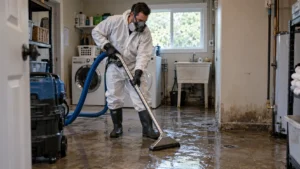
These health risks explain why professional mold remediation services use specialized equipment and containment procedures. IICRC-certified technicians wear protective gear including respirators, gloves, and eye protection. They establish containment barriers to prevent spores from spreading to unaffected areas during remediation work.
Premier Emergency Water Removal has served the greater Seattle area since 1998, providing professional mold remediation that protects both property and health. Our family-owned company understands that mold problems create stress and uncertainty. We respond quickly to assess situations, explain options clearly, and implement solutions that truly solve mold issues.
The Professional Mold Remediation Process
Effective mold remediation follows established protocols that address all aspects of mold contamination. Understanding these steps helps property owners recognize what professional services should include.
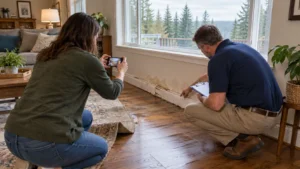
Assessment begins the process. Technicians inspect your property to identify the extent of mold growth, types of mold present, and moisture sources feeding the problem. This inspection includes areas you can see and hidden spaces where mold often grows undetected—behind walls, under flooring, in HVAC systems, and within ceiling cavities.
Advanced tools help identify hidden moisture and mold. Moisture meters measure water content in building materials. Thermal imaging cameras reveal temperature differentials that indicate moisture intrusion and potential mold locations. These technologies find problems that visual inspection alone misses.
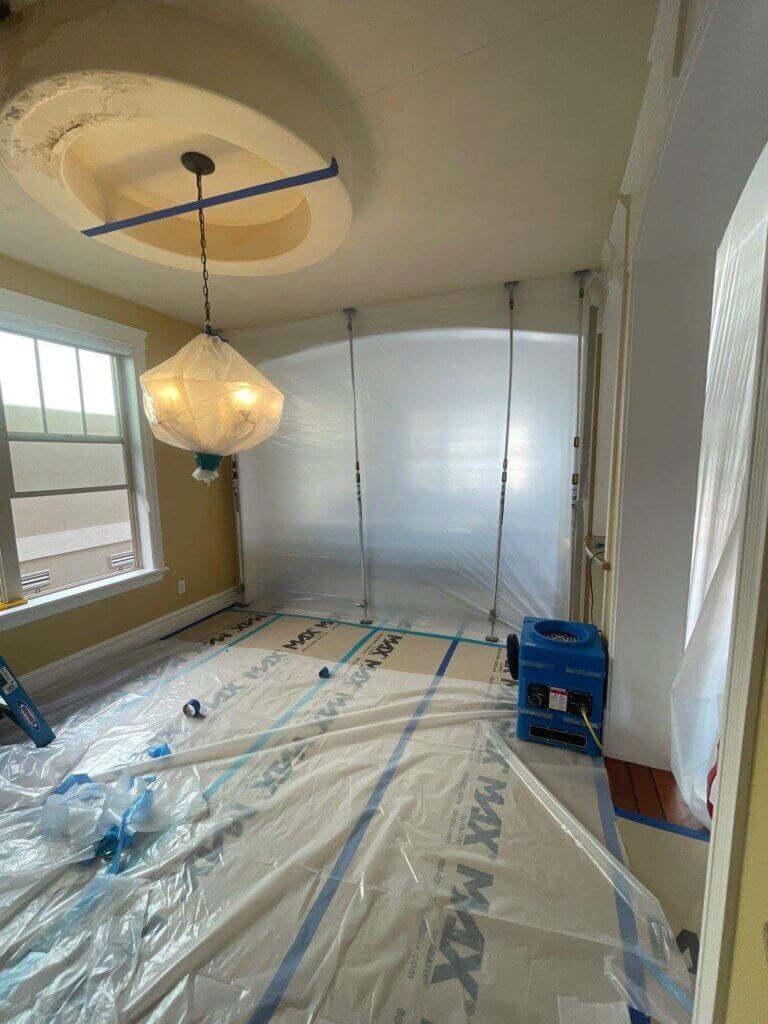
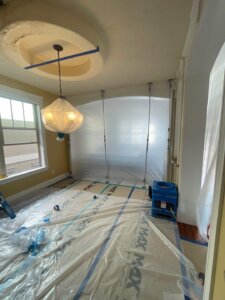
Containment prevents spores from spreading during remediation work. Physical barriers seal off affected areas. Negative air pressure systems use HEPA-filtered air scrubbers to keep contaminated air from escaping the work zone. This containment is critical because mold remediation activities disturb colonies and release massive numbers of spores into the air.
Air filtration throughout the process captures airborne spores before they settle on surfaces throughout your home. HEPA vacuums and air scrubbers remove particles as small as 0.3 microns—much smaller than mold spores. This filtration dramatically reduces airborne contamination.
Removing contaminated materials follows assessment and containment. Porous materials like drywall, insulation, and carpeting that have significant mold growth often require complete removal. Mold penetrates porous materials and fills their empty spaces, making complete cleaning impossible. Non-porous surfaces like metal, glass, and hard plastics can typically be cleaned and sanitized.
Materials removed are sealed in heavy plastic bags before leaving the containment area. This prevents spores from dispersing throughout your property during disposal. Large items with heavy contamination are wrapped and sealed before removal.
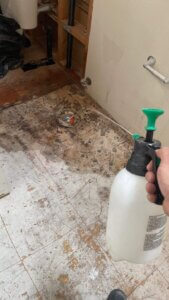
Cleaning and sanitization address surfaces and items that can be saved. Antimicrobial treatments help eliminate remaining mold and prevent regrowth. However, simply killing mold isn’t enough—dead mold still causes health effects if you’re exposed. Physical removal remains essential.
Addressing moisture sources is perhaps the most critical step in mold remediation services. Without fixing the underlying moisture problem, mold will inevitably return. This might involve repairing leaks, improving ventilation, installing dehumidification systems, or correcting drainage issues around your foundation.
When to Call Professional Services
Small mold problems—less than 10 square feet—might be manageable with proper DIY cleaning if you’re healthy and the mold hasn’t affected building materials. However, professional mold remediation services become necessary when mold growth exceeds this threshold, affects porous building materials, appears after flooding or significant water damage, or keeps returning despite cleaning efforts.
Hidden mold behind walls, under flooring, or in HVAC systems always requires professional assessment. These locations are difficult to access and clean properly without specialized equipment and expertise. Attempting remediation yourself in these situations often spreads mold rather than solving the problem.
People with health concerns should never attempt mold cleanup themselves. If you have allergies, asthma, respiratory disease, or compromised immune function, exposure to elevated mold levels during cleaning creates serious health risks. Professional technicians have the training and equipment to handle mold safely.
The type of mold matters. While all mold should be addressed, some species like Stachybotrys (black mold) require extra precautions because of toxic compounds they produce. Professional services can identify mold types and implement appropriate safety measures.
Preventing Mold After Remediation
Successful mold remediation includes prevention strategies that keep mold from returning. The most important factor is controlling moisture. Mold cannot grow without water, so eliminating moisture sources and maintaining low humidity levels prevents future problems.
Fix water leaks promptly. Plumbing leaks, roof damage, and foundation cracks all introduce moisture that supports mold growth. Regular maintenance and quick repairs when problems develop prevent the conditions mold needs.
Control indoor humidity levels. Keep relative humidity below 60%—ideally between 30% and 50%. Dehumidifiers help maintain appropriate moisture levels, particularly in basements and other areas prone to dampness. Proper ventilation in bathrooms, kitchens, and laundry areas removes moisture before it accumulates.
Improve drainage around your foundation. Water pooling near your home’s exterior increases moisture intrusion through foundations and basement walls. Gutters, downspouts, and proper grading direct water away from the structure.
Monitor for signs of new moisture problems. Water stains, condensation on windows, musty odors, and visible mold growth all indicate issues requiring attention. Early detection and correction prevent small problems from becoming extensive mold contamination.
Serving the Puget Sound area and the city of Auburn, WA, Premier Emergency Water Removal provides complete mold remediation services that address current contamination and implement prevention strategies. Our IICRC-certified technicians bring over 20 years of experience to every project.
We work with all insurance companies licensed in Washington State and help property owners navigate claims processes. From initial assessment through final clearance testing, we handle every aspect of mold remediation professionally and thoroughly.
Professional mold remediation services protect your property investment and your family’s health. Don’t risk spreading contamination or exposing yourself to health hazards by attempting complex mold cleanup yourself. Expert assessment, proper containment, complete removal, and moisture correction deliver lasting solutions that keep mold from recurring.
Frequently Asked Questions About Mold Remediation
How much does professional mold remediation cost compared to DIY mold removal?
Professional mold remediation services typically cost $500-$6,000 depending on the extent of contamination, affected materials, and size of the area involved. While DIY mold removal might save money initially, it often fails to address hidden mold, doesn’t solve moisture sources, and can spread contamination throughout your home by disturbing spores without proper containment. Failed DIY attempts that allow mold to spread or recur ultimately cost more than professional remediation would have initially. Insurance often covers mold remediation when it results from covered water damage incidents, making professional services more affordable than many property owners expect.
What is the difference between mold removal and mold remediation services?
Mold removal focuses on physically eliminating visible mold from surfaces, while mold remediation services provide a comprehensive approach that identifies contamination sources, removes affected materials, establishes containment to prevent spread, addresses underlying moisture problems, and returns mold levels to safe concentrations. Complete mold removal is impossible since microscopic spores exist everywhere. Remediation recognizes this reality and focuses on returning mold to natural, safe levels rather than promising total elimination. Professional mold remediation services prevent recurrence by solving root causes, whereas simple mold removal often treats only visible symptoms and allows mold to return.
How long does the mold remediation process take from start to finish?
Mold remediation timelines vary based on contamination extent, affected materials, and moisture conditions. Small projects involving single rooms might complete in 1-2 days, while extensive contamination affecting multiple areas or requiring significant demolition can take 3-7 days or longer. The process includes assessment, containment setup, material removal, cleaning, drying, and final verification. Drying affected areas completely is essential and cannot be rushed—materials must reach appropriate moisture levels before reconstruction begins. Professional mold remediation services provide realistic timelines based on your specific situation during the initial assessment.
Can mold return after professional mold remediation, and what guarantees do services offer?
Mold can return after remediation if new moisture sources develop or if the original moisture problem wasn’t fully addressed. Reputable mold remediation services identify and correct moisture sources as part of the process, significantly reducing recurrence risk. However, no company can guarantee mold will never return if new water damage occurs—mold grows whenever moisture accumulates. Professional services typically guarantee their workmanship and that treated areas are properly dried and cleaned. Maintaining the property, controlling humidity, fixing leaks promptly, and following professional recommendations for prevention determine long-term success after mold remediation.
Do I need to leave my home during mold remediation services, or can I stay?
Whether you need to vacate during mold remediation depends on contamination extent, affected areas, and household members’ health status. Small, contained projects in unoccupied areas like basements might allow you to remain in your home with proper containment measures in place. Extensive remediation affecting living spaces, or situations involving vulnerable individuals (children, elderly, people with respiratory conditions or compromised immunity), may require temporary relocation. Professional mold remediation services assess your specific situation and provide recommendations that prioritize occupant safety. Proper containment and negative air pressure prevent spore migration, but complete avoidance of exposure areas remains the safest approach.