Seattle’s Rising Flood Risks: How to Prepare Your Home for Extreme Weather
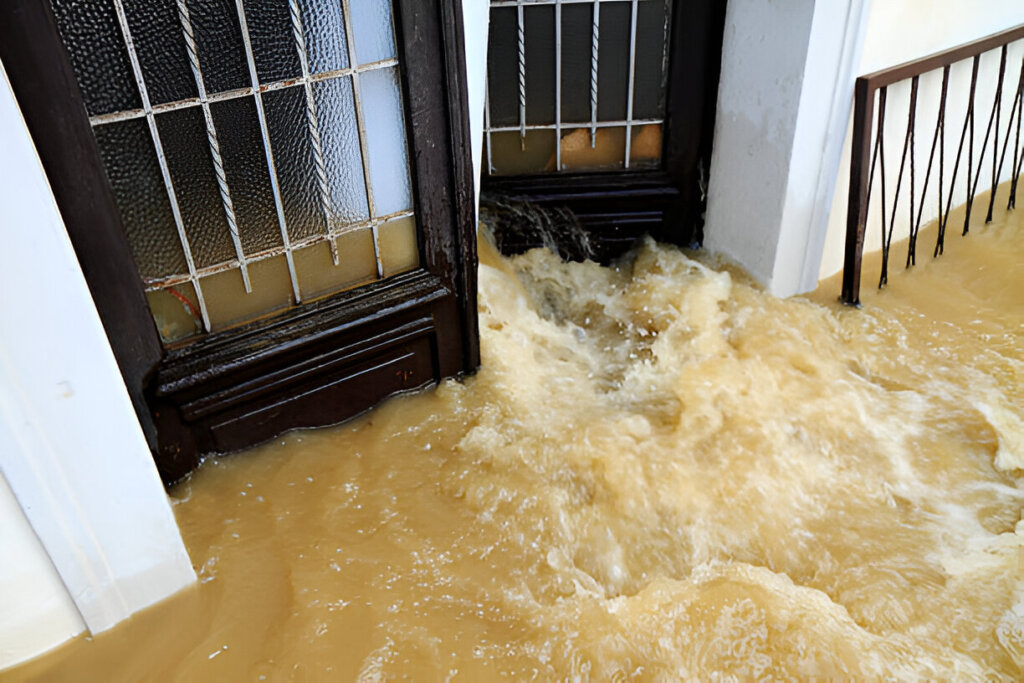
Seattle may be associated with rain, but in recent years, we have seen that storms are becoming more common and catastrophic. Homes that may never have flooded before are now experiencing water damage from heavy rain, snowmelt, and overwhelmed drainage systems.
If you live in Seattle or the surrounding areas, it is crucial to be aware of the rising flood risks and what you can do to safeguard your home. This blog will take you through the reasons why flooding is becoming more frequent and provide some straightforward and practical solutions to keep you safe and dry, whatever happens outside.
Assessing Your Flood Risk- How to Stay Alert & Prepared
Before starting to prepare your home, you first need to assess your risk of flooding, so you and your family can stay safe during this disaster. You can do this by:
- Reviewing FEMA Flood Maps: Use FEMA’s Flood Map Service Center to research your flood zone.
- Consulting Local Agencies: There are many weather agencies promptly providing flood-risk information, including localized hazard maps, flood information, and planning tools.
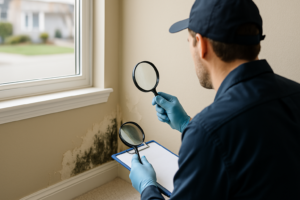
- Inspecting Your Yard and Basement: Puddles of water in your yard, spongy soil, or a musty smell in your basement can be early warning signs.
Flooding can occur at a home even if it is not located in a high-risk zone, especially during rainstorms. Therefore, every homeowner in Seattle should be prepared and have access to the contact details of a reputable company providing water damage restoration near me.
Step-By-Step Process For Flood-Proofing Your Seattle Home
Whether you are planning a DIY restoration or want to contact water damage restoration experts, the step-by-step approach to flood-proofing in Seattle remains the same.
- Elevate Critical Systems
Floodwaters can destroy heating, ventilation, air conditioning (HVAC) systems, water heaters, and electrical panels. Hire a professional to elevate them at least 12 inches above the base flood elevation (BFE).
- Install a Sump Pump with Backup Power
A sump pump will help remove groundwater entering your basement or crawl space. Your sump system should include:
- A battery backup to prevent flooding when you lose power
- An alarm to signal rising water levels
- Seasonal testing before the rainy season begins
- Seal Foundation Cracks
Apply hydraulic cement or epoxy sealant if you have any visible cracks in your foundation walls or floors. This helps stop groundwater from penetrating your basement and hydrostatically forcing the foundation walls and floors apart, which can lead to structural damage.
- Improve Grading and Drainage
Your yard’s grade should slope away from the house’s foundation. Maintenance options include:
- Filling in low areas with soil to promote proper drainage
- Adding French drains or swales to manage runoff water
- Using downspout extensions to direct water at least 10 feet away from the house
- Install Flood Vents
Flood vents allow water to flow through a crawl space and reduce hydrostatic pressure against foundation walls during flooding. They reduce the risk of structural damage.
- Install a Backflow Prevention Valve
Severe flooding can cause sewer pipes to back up into homes. Install a backflow prevention valve in your sewer pipe to ensure that contaminated sewage wastewater does not re-enter your home through the sewer drain during a flood.
- Use Water-Resistant Building Materials
If you’re remodeling, use building materials that can withstand water. Examples include:
- Ceramic tile
- Closed-cell foam insulation
- Pressure-treated wood
- Metal or plastic cabinets
These materials are easier to clean and are less likely to develop mold problems.
Emergency Preparedness Checklist for Flooding Situations
Flood prevention is only one side of the coin; being prepared to act during an emergency is the other. Recommended items every Seattle homeowner should keep on hand as part of emergency preparedness include:
- Sandbags: Store them in your garage or shed to divert water during storms.
- Plastic Sheets and Tarps: Use these to seal doors, windows, or cover valuables.
- Battery-Powered Weather Radio: Keep informed during a power outage.
- Waterproof Document Storage: Store insurance papers, IDs, and property titles.
- Home Inventory: Document belongings with photos and serial numbers for insurance claims.
- First Aid Kit & Essentials: Include medications, flashlights, batteries, and bottled water.
What To Do During and After A Flood in Seattle?
If you are currently experiencing a flood-like situation or severe flooding, here are a few things to do right away to avoid any emergency.
- Shut Off Utilities: Only do so if it is safe.
- Avoid Contact with Water: Floodwater may be contaminated with sewage and chemicals.
- Move to Higher Ground: Relocate valuables and pets if possible.
- Listen to Authorities: Evacuate if instructed. Do not drive on flooded roads.
In case a flooding situation has just passed, even if the water level is receding, the risk remains.
- Mold: Can begin to grow within 24–48 hours
- Contaminated Surfaces: Floodwater may carry bacteria, chemicals, and sewage
- Structural Damage: Extended water exposure can weaken wood, drywall, and concrete
Your best option is to seek immediate professional assistance from a flood restoration company in Seattle.
How Can Premier Emergency Water Removal Help?
Premier Emergency Water Removal specializes in rapid response services throughout the Seattle area. We offer professional flood recovery services tailored to Seattle’s unique challenges.
- 24/7 Emergency Response
Floods don’t wait for business hours; that is why we’re always on standby.
- Advanced Technology
We use infrared moisture scanners and high-powered extraction units for thorough water removal.
- Eco-Friendly Mold Remediation
Our certified technicians use eco-friendly products that effectively eliminate mold and prevent regrowth.
- Full-Service Restoration
We handle drying, dehumidifying, drywall, and flooring, restoring your home completely.
- Insurance Coordination
We document the damage, communicate with adjusters, and simplify your claims process.
Conclusion: Stay Proactive & Mitigate Flood Damage With Premier Water Removal
Flood risks in Seattle aren’t a future concern; they’re happening now. The good news? You can take steps today to protect your home, belongings, and loved ones. Whether it’s sealing cracks, installing a sump pump, or improving drainage, each action increases your resilience.
At Premier Emergency Water Removal, we help Seattle homeowners recover from flood damage quickly, safely, and with compassion. Our IICRC-certified team has decades of experience and an unwavering commitment to excellence. From water extraction and mold remediation to full-scale restoration, we’re here 24/7 to help you weather any storm.
Trust Seattle’s flood damage experts- Contact Us today and let us help you recover from property damage.