Insurance Battles: How to Document Mold Damage So Your Claim Isn’t Denied
After returning home from a week-long vacation, the Martin family expected to settle back into their home in Auburn. What they noticed was a mildew-like smell and discoloration on their living room wall. After inspecting the area, they suspected that a slow leak from a pipe in the upstairs bathroom had gone undetected for some time and spread mold throughout their home, resulting in thousands of dollars in damages. They panicked and called their insurance company, only to have their claim denied due to “insufficient documentation.”
The Martins’ fate is that of many homeowners involved in mold damage disputes who are completely unaware that documentation is a key aspect of any mold contamination claim.
In this blog, we will discuss the most important things you must do to document your mold damage and how we can help provide some certainty that you have a strong claim to submit to your insurance company.
“Facing Mold? Here’s What Your Insurance Will—and Will Not—Cover
Mold damage is almost always caused by water infiltration, whether from a flood, leak, or prolonged high humidity. Mold can affect the structure of your home and pose health risks, particularly for individuals with allergies or pre-existing respiratory issues.
Like most insurance policies, the section regarding mold damage claims is commonly ambiguous. Many standard homeowners’ insurance policies cover mold damage only if it is caused by a “covered peril” (such as a burst pipe). Many policies specifically exclude mold damage if it results from neglect, lack of maintenance, or chronic issues like humidity.
You may appear to be covered for mold under your policy, but your insurance company will look for reasons to deny your claim unless you have rock-solid evidence to support it.
Before outlining best practices for documenting mold damage, it’s helpful to understand why mold claims are often denied:
- The claimant waited too long to take action
- The claimant could not establish the cause of the mold
- Inadequate documentation of damaged items
- Delay in filing a claim with the insurance company
- Insufficient assessment by a professional
Insurance companies profit from the money they don’t have to pay out. They generally operate under a “prove-it-or-lose-it” policy.
Step-by-Step Process for Documenting Mold Damage for Insurance Claims
Filing insurance claims for mold damage doesn’t need to be complicated. By following this step-by-step process, you can ensure an easy claim approval.
- Do Not Wait
As soon as you discover mold:
- Stop the water source if you can (e.g., shut off the broken pipe).
- Report your claim to your insurance company.
- Hire a professional mold remediation service provider in Auburn, like Premier Emergency Water Removal, to assess the damage ASAP.
Why it matters: Mold proliferates quickly in the presence of moisture, and the insurance company may consider delays as negligence.
- Take Pictures and Videos
Document every square inch of the contaminated area:
- Take pictures from multiple angles.
- Take close-up pictures of visible mold colonies.
- Take pictures of surfaces in adjoining rooms to show the extent of the mold.
- When taking pictures or video of the mold, use the date-stamp function on your camera or smartphone.
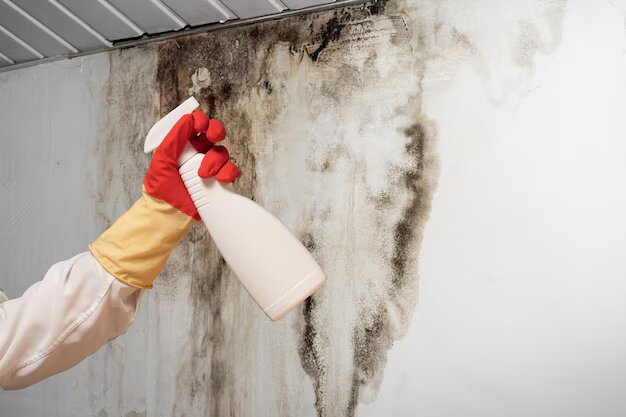
Pro Tip: Don’t clean or disturb anything until you have documented the damage! If you remove the visible mold before it’s inspected, you may compromise your claim.
3. Order a Professional Mold Inspection Report
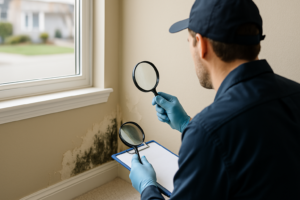
A mold inspection or remediation expert will:
- Take air and surface samples
- Identify the mold type
- Measure humidity and moisture levels
- Determine the source and extent of the infestation
You should request a written report that includes:
- Lab results
- Infrared images and moisture scan
- Findings and recommendations
Pro Tip: Insurance companies place weight on professional reports, and they could be the focal point of your case.
4. Get an Estimate to Remediate
Ask for a written estimate regarding mold remediation including:
- Scope of work
- Equipment required (e.g., HEPA air scrubbers, dehumidifiers)
- Labor costs
- Timeline for completion
You can include the estimate with your claim to indicate projected costs.
- Keep All Receipts Associated with the Mold Damage
Track all receipts related to your mold damage. This may include:
- Temporary accommodations if your home is uninhabitable
- Medical appointments related to mold exposure
- Containment or safety supplies
- Remediation and restoration costs
Depending on your insurance policy, many of these costs may be reimbursable.
- Keep a Mold Damage Journal
Maintain an accurate record, noting:
- Date and time when you first noticed the mold
- All phone calls and emails with the insurance company
- Names of adjusters and contractors
- Actions taken, by whom, and when
7. Review Your Policy Carefully
Look for:
- Mold limitations and caps
- Peril-specific clauses (fire, flood, etc.)
- Required timelines for reporting
If the insurance language is vague, follow up with your insurer and request clarification in writing.
- Partner with a Remediation Company That Knows Insurance Inside Out
Ideally, you want to choose a remediation company that understands how insurance works and will advocate on your behalf. Premier Emergency Water Removal is a company that provides insurance-ready documentation, complete reporting, and direct communication with your adjuster to help expedite the claim process.
For large or complex claims—or if your claim has been denied—it may be beneficial to hire a public adjuster. Public adjusters work for you, not your insurer, and negotiate your claim on your behalf. They often charge a percentage of the payout, but typically secure higher settlements because they understand how to negotiate effectively.
Be Proactive. Be Thorough. Be Prepared With Premier Water Removal!
The Martin family’s missteps—waiting too long and failing to document properly—cost them thousands in unreimbursed expenses. You can learn from their mistakes by following the steps listed above.
While dealing with an insurance claim or dispute due to mold damage is frustrating, having the right evidence, expert help for mold removal in Seattle, and diligence increases your chances of a favorable result.
Don’t wait until mold becomes a costly and contentious issue—deal with it now. Document everything.
At Premier Emergency Water Removal, we’re water and mold damage experts serving Auburn and the surrounding areas. Our IICRC-certified technicians use top-of-the-line technology and practices to minimize property damage, restore your home, and work directly with insurance companies to ensure our clients are treated fairly.
Water and mold damage can feel overwhelming, especially when insurance is involved. That’s why we do more than remediation—we advocate for you throughout the inspection and claim process. Some reasons to choose us include:
- 24/7 Emergency Response
- Certified Experts in Mold Remediation
- Insurance-Ready Documentation
- Transparent Estimates
- Local Expertise in Auburn
Let us reduce the stress of mold and water damage. Call us today for a free inspection or immediate assistance. Need help now? We’re available 24/7 and ready to protect your home and peace of mind.