Excessive humidity creates more than just uncomfortable, stuffy air. High moisture levels threaten your property’s structural integrity, promote mold growth, and damage valuable belongings. Understanding when you need professional dehumidification services helps you address moisture problems before they escalate into expensive repairs.
The Environmental Protection Agency recommends keeping indoor relative humidity between 30% and 60% to prevent mold growth and maintain healthy indoor air quality. When humidity exceeds these levels, problems develop quickly—often within 24 to 48 hours.
Dehumidification Services: How Humidity Control Protects Your Property
Why Humidity Control Matters for Your Property
Moisture in the air doesn’t stay airborne. It settles on surfaces, seeps into porous materials, and creates conditions where mold, mildew, and bacteria thrive. Wood floors warp, paint blisters and peels, metal corrodes, and stored items deteriorate.
For homeowners in Auburn, WA and throughout the Puget Sound region, our climate presents unique challenges. The Pacific Northwest experiences significant humidity fluctuations throughout the year. Basements, crawl spaces, and other below-grade areas face constant moisture pressure from our wet soil and frequent rainfall.
Professional dehumidification services address these problems with industrial-grade equipment that far exceeds what portable consumer units can accomplish. Premier Emergency Water Removal has served the greater Seattle area since 1998, helping property owners maintain healthy humidity levels and prevent moisture-related damage.
Basement Dehumidification: Protecting Your Home’s Foundation
Basements naturally accumulate moisture. Concrete is porous—it absorbs moisture from surrounding soil and releases that moisture inside your basement. Even waterproofed basements benefit from dehumidification because moisture diffuses through building materials.
Signs you need basement dehumidification include musty odors, visible condensation on walls or windows, damp-feeling air, and mold or mildew growth. If you notice these issues, humidity levels have already exceeded safe thresholds.
Basement humidity above 60% creates ideal conditions for mold colonization. Within two days of sustained high humidity, mold spores present on organic surfaces begin multiplying. Once established, mold damages building materials, compromises indoor air quality, and creates health risks for your family.
Professional basement dehumidification systems maintain optimal humidity levels continuously. Unlike portable units designed for upstairs rooms, basement dehumidifiers handle lower temperatures and higher moisture loads. They feature self-draining systems, energy-efficient operation, and advanced filtration that removes mold spores while controlling humidity.
The air in your basement doesn’t stay in your basement. A significant portion of your home’s air circulates from below-grade spaces. When basement air contains excess moisture, mold spores, and musty odors, these contaminants spread throughout your entire home. Proper basement dehumidification protects your whole house.
Understanding When You Need Professional Help
Some moisture problems respond to simple solutions like improved ventilation or fixing isolated leaks. Others require professional dehumidification services with specialized equipment and expertise.
Professional intervention becomes necessary when humidity remains elevated despite basic measures, visible mold growth appears, condensation forms regularly on cold surfaces, or you’re dealing with water damage restoration. After flooding or significant water intrusions, dehumidification is essential for preventing secondary damage.
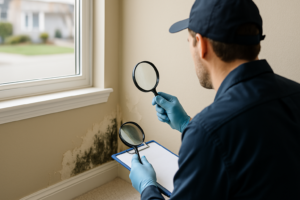
Premier Emergency Water Removal’s IICRC-certified technicians assess moisture conditions using calibrated meters and thermal imaging. This equipment identifies hidden moisture pockets that visual inspection misses. Understanding the full extent of moisture problems ensures complete solutions rather than temporary fixes.
Professional services also determine the right capacity and type of dehumidification for your specific situation. Undersized equipment struggles to maintain desired humidity levels. Oversized equipment cycles inefficiently and wastes energy. Proper sizing matches equipment to space volume, moisture load, and environmental conditions.
Commercial Dehumidification: Protecting Business Assets
Business environments face unique humidity challenges. Warehouses storing inventory, office buildings protecting equipment and documents, retail spaces maintaining comfortable shopping conditions, and restaurants preserving food quality all require precise humidity control.
Commercial dehumidification systems differ significantly from residential equipment. Industrial units handle much larger volumes, operate continuously without overheating, integrate with existing HVAC systems, and include automated drainage and monitoring capabilities.
Uncontrolled humidity in commercial spaces causes product damage, equipment corrosion, structural deterioration, and uncomfortable working conditions. Moisture accelerates rust on machinery, warps wood products, damages electronics, and promotes mold that contaminate inventory and compromise air quality.
For businesses in the city of Auburn, Washington and the surrounding Puget Sound area, commercial dehumidification represents an investment in asset protection. Preventing moisture damage costs far less than replacing ruined inventory, repairing structural damage, or facing business interruption from mold remediation needs.
Premier Emergency Water Removal understands that commercial properties can’t tolerate extended downtime. Our team responds quickly to assess humidity issues and implement solutions that maintain business operations while addressing moisture problems.
The Technology Behind Effective Dehumidification
Modern dehumidification systems use proven technology to remove moisture from air. Understanding how these systems work helps property owners appreciate the value professional services provide.
Refrigerant dehumidifiers cool air to condense moisture, similar to how your air conditioner creates water droplets. As humid air passes over cold coils, water vapor condenses and drips into collection reservoirs or drainage systems. The cooled, dried air then passes through heating coils before returning to the space.
These systems work efficiently in most indoor environments. They handle moderate to high humidity levels effectively and operate energy-efficiently in temperatures common to occupied buildings.
Desiccant dehumidifiers use moisture-absorbing materials rather than cooling coils. Air passes through desiccant materials that extract moisture, then heating elements dry the desiccant for continuous operation. These systems excel in cold environments where refrigerant units struggle and in applications requiring extremely low humidity levels.
Professional dehumidification services select the right technology for your specific needs. Basement applications might benefit from refrigerant systems with low-temperature operation capabilities. Cold storage facilities often require desiccant technology. Manufacturing environments might need hybrid systems combining both approaches.
Beyond Basic Moisture Removal
Comprehensive dehumidification services address more than just humidity levels. Advanced systems include air filtration that removes mold spores, allergens, and other airborne particles. This dual function improves indoor air quality while controlling moisture.
Two-stage filtration systems capture particles as small as three microns, including all mold spores and most allergens. This protects both your property and your health. Cleaner air reduces allergy symptoms, respiratory irritation, and the spread of airborne bacteria.
Continuous monitoring capabilities in professional systems maintain consistent humidity levels automatically. Humidistats measure moisture and cycle equipment on and off as needed. This automation prevents the common problems that occur when portable units require manual monitoring and emptying.
Energy efficiency matters for systems running continuously. Professional-grade equipment operates at much higher efficiency than consumer portable units. Industrial dehumidifiers might use one-third the energy of multiple portable units attempting to accomplish the same moisture removal.
Maintaining Your Property’s Health Long-Term
Dehumidification works best as part of comprehensive moisture management. Identifying and repairing water intrusion sources, improving drainage around foundations, ensuring proper ventilation, and maintaining heating and cooling systems all contribute to humidity control.
Premier Emergency Water Removal provides complete solutions that address root causes alongside symptoms. Our team identifies why moisture problems occur, not just where humidity levels are high. This comprehensive approach delivers lasting results rather than temporary relief.
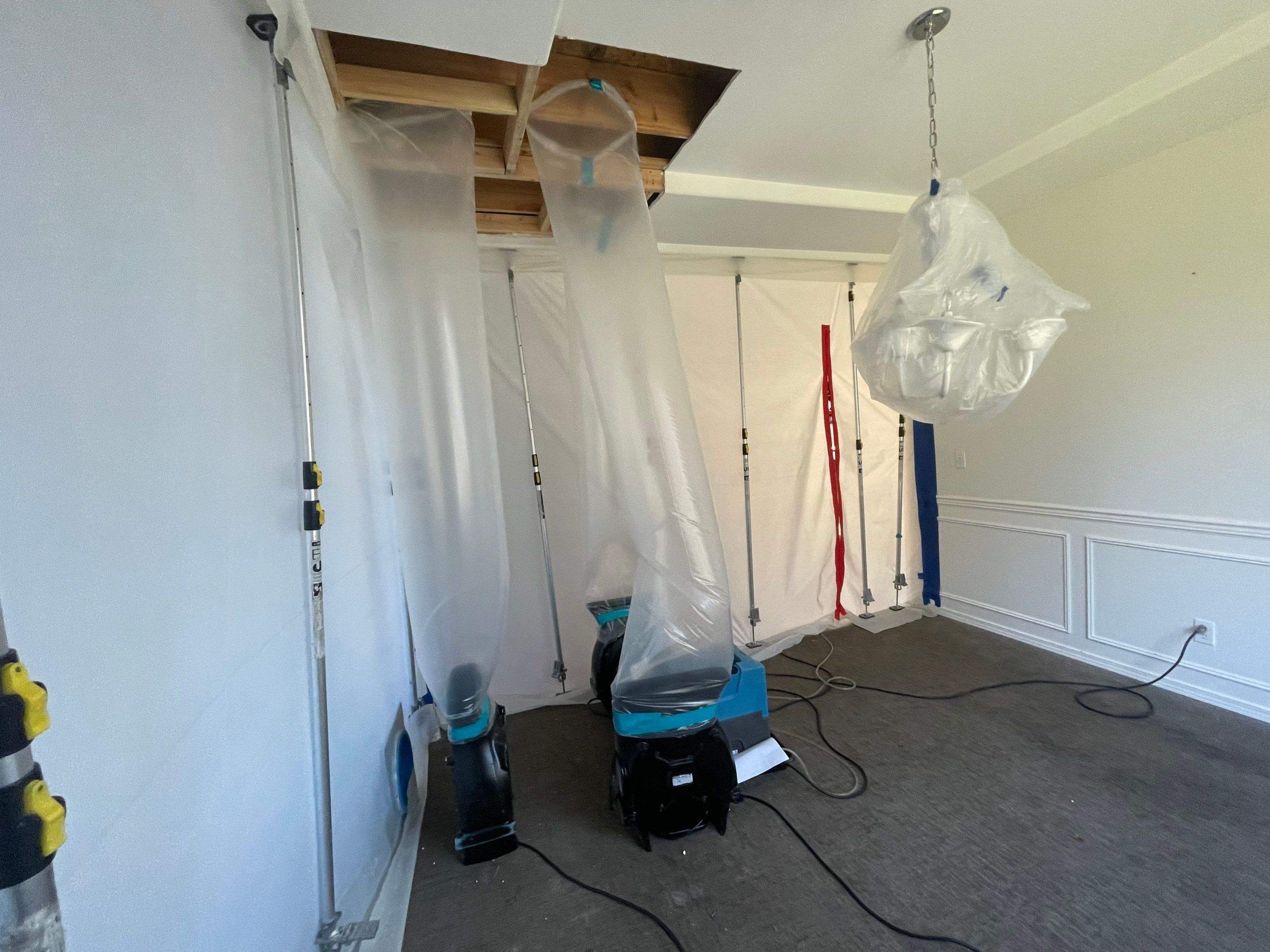
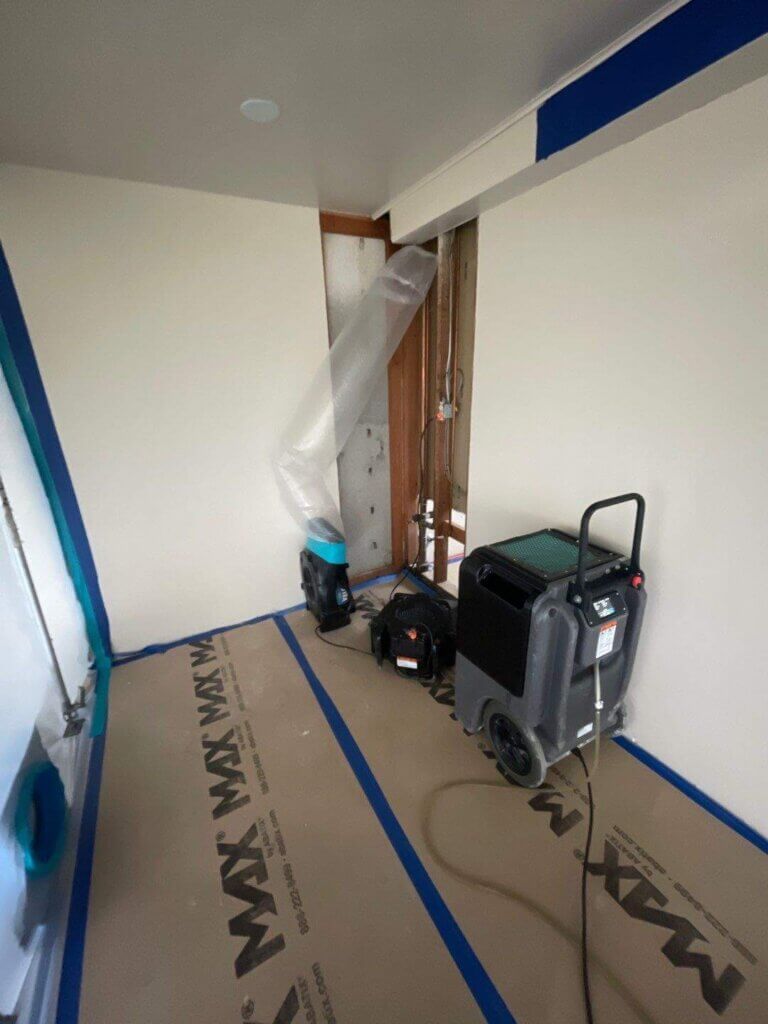
For properties recovering from water damage, professional dehumidification accelerates drying and prevents mold growth. After extracting standing water, dehumidification systems work alongside air movers to thoroughly dry all affected materials. This prevents the secondary damage that occurs when moisture remains trapped in building structures.
Regular maintenance of dehumidification equipment ensures optimal performance. Professional systems include washable, reusable filters requiring monthly cleaning. Checking drainage connections, monitoring performance, and verifying humidity levels maintains system effectiveness.
Serving the Puget Sound area and the city of Auburn, WA, Premier Emergency Water Removal brings over 20 years of experience to every dehumidification project. Our family-owned company maintains the highest standards for equipment quality, technical expertise, and customer service.
Whether you face basement humidity issues threatening your home’s foundation, commercial moisture problems affecting inventory and equipment, or need dehumidification as part of water damage restoration, our team provides effective solutions tailored to your specific needs.
Professional dehumidification services protect your property investment and create healthier indoor environments. Don’t wait for moisture problems to escalate into mold remediation needs or structural repairs. Address humidity issues early with expert assessment and professional equipment that delivers reliable, energy-efficient performance.
Frequently Asked Questions About Dehumidification Services
How do I know if I need professional dehumidification services instead of a portable dehumidifier?
Professional dehumidification services become necessary when portable units can’t maintain humidity below 60%, visible mold growth appears despite using consumer dehumidifiers, you’re dealing with water damage restoration needs, or large spaces like basements or commercial buildings require humidity control. Industrial equipment removes significantly more moisture per day (up to 160+ pints versus 30-50 pints for portable units), operates more efficiently, and includes automated drainage. If you find yourself constantly emptying portable units or humidity remains high despite running consumer equipment, professional services provide the capacity and reliability needed.
What humidity level should basement dehumidification maintain to prevent mold growth?
Basement dehumidification should maintain relative humidity between 30% and 50% to prevent mold growth effectively. The Environmental Protection Agency states that humidity above 60% encourages mold colonization, with spores beginning to multiply within 48 hours of sustained moisture exposure. Professional basement dehumidification systems include automatic humidistats that monitor levels continuously and adjust operation to maintain optimal humidity. Setting systems between 40-50% provides the best balance—low enough to prevent mold while avoiding overly dry air that can cause other problems.
How does commercial dehumidification differ from residential dehumidification services?
Commercial dehumidification systems are designed for much larger spaces, continuous operation, and integration with existing HVAC systems. Industrial units handle volumes measured in thousands of cubic feet, include automated drainage systems, feature heavy-duty construction for 24/7 operation, and often incorporate advanced monitoring capabilities. Commercial applications might require specific humidity levels for inventory protection, product quality control, or regulatory compliance. Professional commercial dehumidification services assess factors like door opening frequency, employee load, manufacturing processes, and product storage requirements to design customized humidity control solutions that residential equipment cannot provide.
Can dehumidification services remove existing mold or just prevent new growth?
Dehumidification services prevent mold growth by maintaining humidity below levels that support colonization, but cannot remove existing mold. While advanced dehumidification systems include filtration that captures airborne mold spores, active mold colonies on surfaces require physical removal through professional mold remediation. However, dehumidification is essential during and after mold remediation to prevent recurrence. Professional services often combine mold removal with ongoing humidity control to address both current contamination and future prevention. For properties with existing mold problems, comprehensive solutions include remediation followed by permanent dehumidification systems.
How much do professional dehumidification services cost compared to buying portable units?
Professional dehumidification services involve higher upfront costs than consumer portable units but provide significantly better value long-term. Industrial equipment operates 3-5 times more efficiently than portable units, reducing energy costs substantially over time. Professional systems include installation, proper sizing for your space, automated operation, and often warranty coverage. Multiple portable units attempting to dehumidify large spaces like basements typically cost $300-800 combined but struggle with effectiveness and require constant monitoring and maintenance. Professional basement or commercial systems provide reliable, automated humidity control that actually solves moisture problems rather than temporarily reducing symptoms.