Seattle homeowners face unique challenges when it comes to attic maintenance. The Pacific Northwest’s frequent rainfall and high humidity create perfect conditions for water damage in attics throughout the region. Understanding when your attic needs professional attention can save you thousands in structural repairs and protect your family’s health.
Attic Cleaning Seattle: 5 Warning Signs Your Attic Needs Restoration
Why Seattle Attics Are Vulnerable to Water Damage
Our region’s climate presents specific risks that make regular attic inspection essential. Heavy winter storms, aging roofing materials, and poor ventilation systems combine to create moisture problems that many homeowners don’t discover until significant damage has occurred. The city of Auburn Washington and surrounding Puget Sound communities experience these issues regularly during the rainy season.
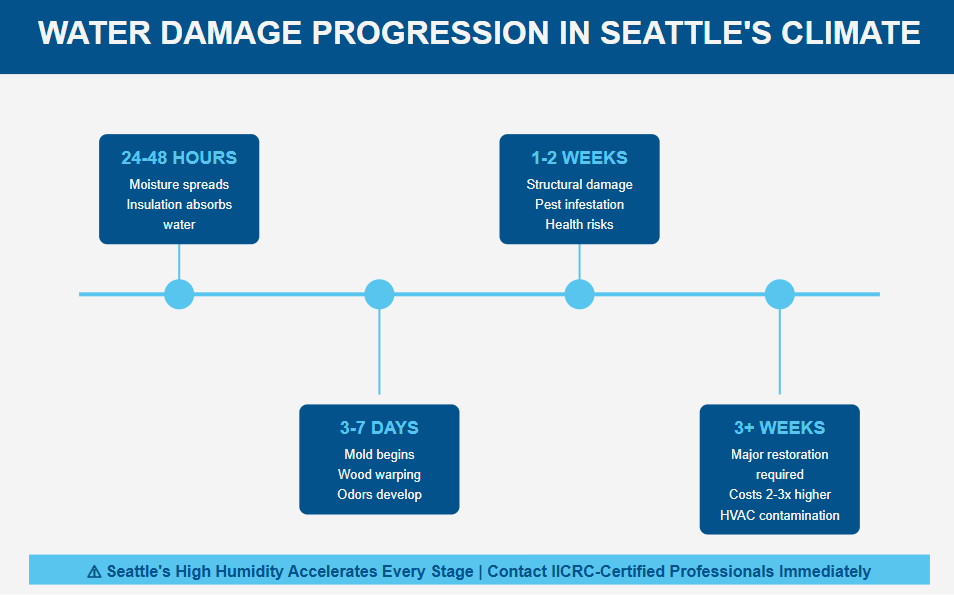
When water infiltrates your attic space, it doesn’t just affect insulation. Moisture can compromise structural beams, create electrical hazards, and provide the perfect environment for mold growth. Seattle’s humid climate means that even small leaks can quickly escalate into major restoration projects.
Attic Cleanup and Decontamination Experts: 5 Critical Warning Signs
Professional restoration specialists recommend watching for these key indicators that your attic requires immediate attention:
1. Musty Odors and Air Quality Changes
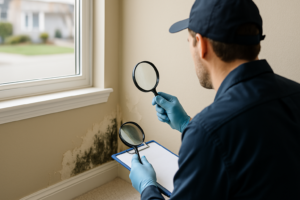
A strong musty smell coming from your attic or upper floors signals moisture buildup and potential mold growth. This odor often intensifies during Seattle’s wet months when humidity levels rise. If family members experience unexplained respiratory symptoms or allergies worsen, contaminated attic air could be circulating through your home’s ventilation system.
2. Visible Water Stains and Discoloration
Brown or yellow stains on ceilings directly below your attic indicate active leaks. These stains often appear after heavy rainfall or during spring snowmelt. Even small discolored areas suggest water has been present long enough to penetrate multiple layers of roofing and insulation materials.
3. Compromised Insulation Performance
Wet or compressed insulation loses its effectiveness dramatically. If your heating bills have increased without explanation, or certain rooms feel drafty despite proper thermostat settings, moisture-damaged insulation may be the culprit. Soggy insulation also becomes a breeding ground for harmful microorganisms.
4. Structural Changes and Material Damage
Warped wooden beams, sagging ceiling areas, or buckling drywall indicate serious water infiltration. These structural changes require immediate professional assessment, as they can compromise your home’s safety. Seattle’s freeze-thaw cycles can accelerate this damage during winter months.
5. Pest Activity and Contamination
Rodents and insects are attracted to moist environments. If you notice increased pest activity, droppings, or nesting materials in your attic, moisture problems may have created an attractive habitat. These pests bring additional contamination risks that require specialized cleanup protocols.
Attic Cleanup: When DIY Becomes Dangerous
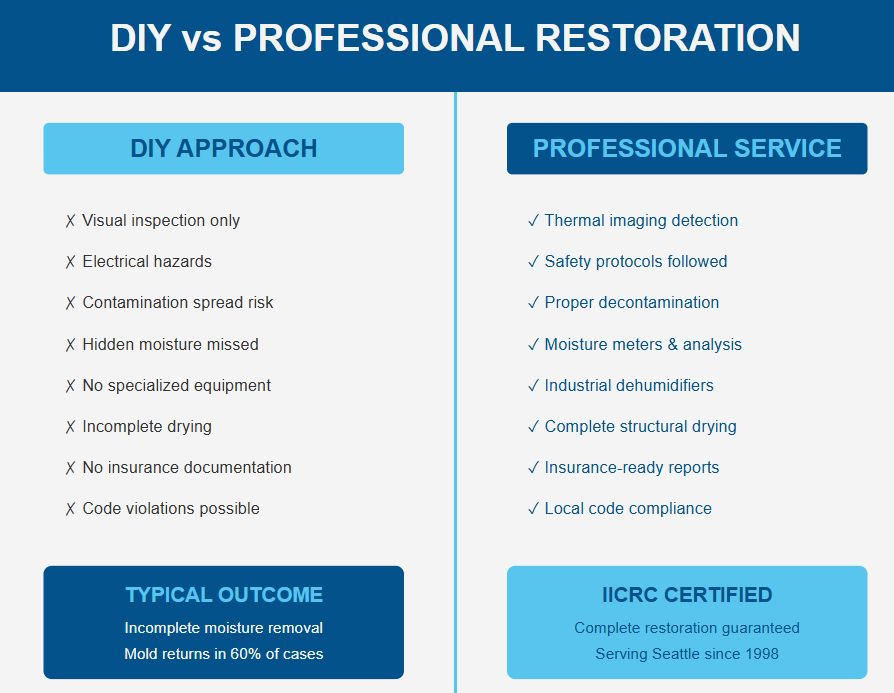
Many Seattle homeowners attempt attic inspection themselves, but several factors make professional assessment safer and more effective. Electrical hazards increase significantly in wet conditions, and improper handling of contaminated materials can spread harmful pathogens throughout your living space.
Professional restoration teams use specialized equipment to detect hidden moisture, assess air quality, and safely remove contaminated materials. They understand local building codes and can identify problems that untrained eyes might miss.
The Hidden Costs of Delayed Action
Water damage restoration costs increase exponentially when problems go unaddressed. What starts as a minor roof leak can result in:
- Complete insulation replacement
- Structural beam repairs
- Mold remediation throughout multiple rooms
- HVAC system contamination
- Electrical system damage
Seattle’s wet climate means these problems develop faster than in drier regions. Professional intervention within the first 48 hours of water intrusion can prevent most secondary damage.
Prevention Strategies for Seattle Homeowners
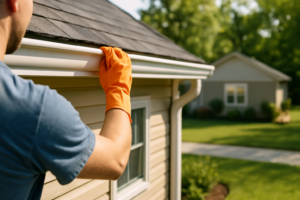
Regular maintenance helps prevent attic water damage before it starts. Schedule annual roof inspections before the rainy season begins. Clean gutters and downspouts to ensure proper drainage away from your foundation. Check attic ventilation systems to maintain proper air circulation.
Consider upgrading insulation if your home was built before modern moisture barrier standards. Professional assessment can identify vulnerable areas and recommend improvements that protect against Seattle’s challenging climate conditions.
Professional Restoration vs. General Contractors
When attic water damage occurs, choosing the right restoration team makes a significant difference in outcomes. Certified restoration professionals understand the science of structural drying, proper decontamination protocols, and insurance documentation requirements.
Premier Water Removal serves the greater Seattle metropolitan area with IICRC-certified technicians who specialize in water damage restoration and mold remediation. Our team understands the unique challenges Seattle homeowners face and provides comprehensive solutions that address both immediate damage and long-term protection.
The company’s approach focuses on thorough moisture analysis, complete decontamination, and structural restoration that prevents recurring problems. Our experience serving the Puget Sound region since 1998 means we understand local construction methods and common failure points in area homes.
Taking Action: Next Steps for Seattle Homeowners
If you’ve identified any warning signs in your attic, don’t wait for problems to worsen. Document visible damage with photographs for insurance purposes, but avoid disturbing contaminated areas until professionals can assess the situation safely.
Contact certified restoration specialists who can provide comprehensive moisture analysis and develop appropriate remediation plans. Quick action protects your investment and ensures your family’s safety during Seattle’s challenging weather months.
Remember that attic problems rarely resolve themselves. The Pacific Northwest’s climate creates ongoing moisture challenges that require professional expertise to address effectively. Investing in proper restoration and prevention measures protects your home’s value and your family’s health for years to come.
Frequently Asked Questions
How quickly should I address attic water damage in Seattle’s climate?
Seattle’s high humidity means water damage spreads faster than in drier climates. Professional assessment within 24-48 hours prevents most secondary damage and mold growth. Delaying action often doubles or triples restoration costs.
What makes attic restoration different from general home repairs?
Attic restoration requires specialized equipment for moisture detection, contamination assessment, and structural drying. Certified technicians understand proper decontamination protocols and can safely handle hazardous materials that general contractors might miss.
Can I inspect my own attic for water damage signs?
While homeowners can look for obvious signs like stains or odors, professional inspection identifies hidden problems using thermal imaging and moisture meters. Electrical hazards and contamination risks make professional assessment safer and more thorough.
How does Seattle’s weather affect attic restoration timelines?
High humidity extends drying times, especially during winter months. Professional restoration teams use specialized dehumidification equipment to maintain proper drying conditions regardless of outside weather, ensuring complete moisture removal.
What should I expect during professional attic decontamination?
Certified teams first assess contamination levels, then remove damaged materials safely. The process includes antimicrobial treatment, structural drying, and air quality testing before restoration begins. Complete decontamination typically takes 3-7 days depending on damage extent.