Water leaks rarely announce themselves with dramatic flooding. Most start small—a drip here, a puddle there—and gradually worsen until they cause serious damage. Understanding the different types of leaks that occur in homes helps property owners recognize problems early and take action before repair costs multiply.
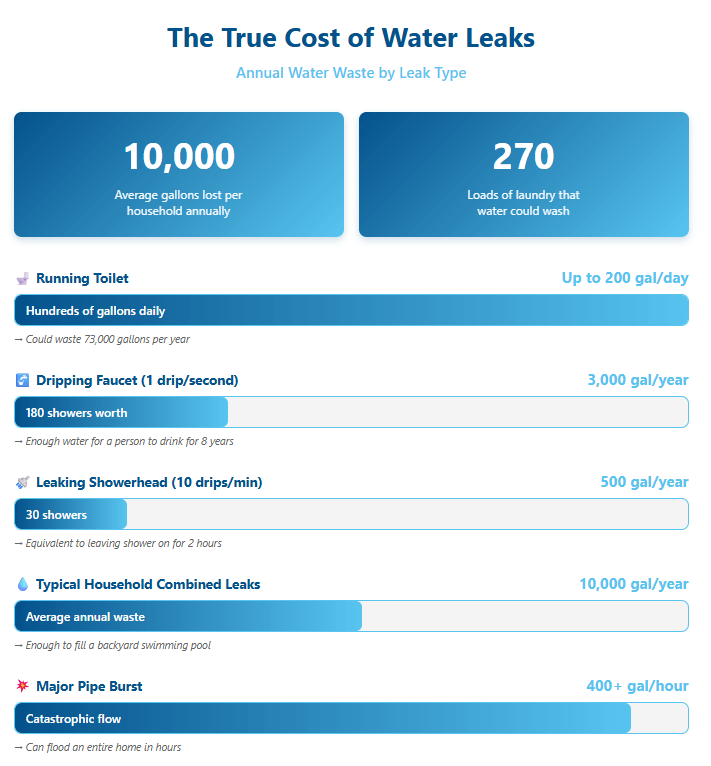
The average household loses nearly 10,000 gallons of water annually from leaks. That’s enough water to wash 270 loads of laundry. More concerning than the wasted water is the damage these leaks cause to floors, walls, and building structures when left unaddressed.
Water Leak Repair: Understanding Common Household Leaks
Recognizing When You Need Water Leak Repair Services
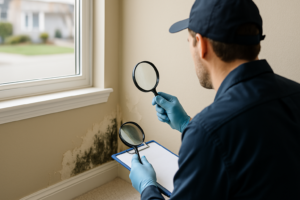
Small leaks create big problems over time. Water seeping into walls promotes mold growth within 24 to 48 hours. Moisture trapped in building materials weakens structural integrity. Even minor leaks increase utility bills and waste resources.
Homeowners in Auburn, WA and throughout the Puget Sound region face additional challenges from our climate. Higher humidity levels can mask moisture problems initially, but also accelerate mold development once leaks occur. Quick detection and professional water leak repair services prevent these complications.
Several signs indicate you need leak repair:
Water bills that increase without explanation suggest hidden leaks. Check your water meter before and after a two-hour period when no water runs. If the meter changes, water is escaping somewhere in your system.
Unexplained puddles, water stains on ceilings or walls, musty odors, or the sound of running water when all fixtures are off all point to leak problems requiring attention.
Toilet Leaks: The Silent Water Wasters
Toilets represent one of the most common—and expensive—sources of household leaks. A constantly running toilet can waste hundreds of gallons daily without ever spilling a drop on the floor.
The toilet flapper is usually responsible. This rubber valve at the tank bottom creates a seal that holds water until you flush. Over time, the rubber deteriorates or mineral deposits prevent proper sealing. The result is water continuously trickling from tank to bowl.
You can detect toilet leaks with a simple test. Drop food coloring into the tank and wait ten minutes without flushing. If color appears in the bowl, you have a leak. Experts recommend replacing flappers every five years as preventive maintenance.
External toilet leaks around the base indicate wax ring failure or problems with the floor seal. These leaks cause more visible damage and require immediate water pipe leak repair to prevent floor rot and structural problems.
Appliance Leaks: Dishwashers, Washing Machines, and Refrigerators
Modern appliances make life easier, but their water connections create leak risks. Door seals, supply hoses, and drain lines can all develop problems that lead to water damage.
Dishwasher leaks commonly occur at the door gasket. This rubber seal around the door perimeter prevents water from escaping during wash cycles. Years of opening and closing wear down the gasket, causing tears and gaps. Food debris buildup can also prevent proper sealing.
Clogged dishwasher filters cause another common leak source. When filters fill with food particles and grease, water can’t drain properly and overflows. Regular filter cleaning prevents this problem.
Washing machine leaks typically involve supply hoses or drain connections. Rubber hoses deteriorate over time, developing cracks and weak spots. The connections where hoses attach to the machine or wall valves can loosen, allowing water to seep out during fill or drain cycles.
Refrigerator leaks often trace to the water supply line feeding the ice maker and water dispenser. These lines can crack or develop loose connections. The drain pan underneath the refrigerator can also overflow if the defrost drain becomes clogged.
Premier Emergency Water Removal has extensive experience handling water damage from appliance failures. Our team responds quickly to extract water, dry affected areas, and prevent secondary damage like mold growth.
Pipe Leaks: Hidden Problems Behind Walls
Supply line leaks present detection challenges because pipes run behind walls and under floors. You might not notice these leaks until water stains appear on drywall or moisture seeps through flooring.
Pipe leaks develop for several reasons. Corrosion gradually eats through metal pipes, especially in older homes. High water pressure stresses pipe joints and connections. Freezing temperatures cause pipes to burst during severe weather events—a real concern during Pacific Northwest winters.
Early signs of pipe leaks include:
- Unexplained drops in water pressure
- Warm or cold spots on floors where pipes run beneath
- The sound of running water when fixtures are off
- Sudden spikes in water bills
- Mold or mildew smell in walls
Professional water pipe leak repair requires locating the problem, accessing the damaged section, and replacing or repairing the affected pipe. This often involves opening walls or floors, making prompt action important to minimize repair scope.
Faucet and Fixture Leaks
Dripping faucets waste more water than most people realize. A faucet dripping once per second wastes over 3,000 gallons annually. That’s enough water for 180 showers.
Faucet leaks usually result from worn washers, O-rings, or cartridges inside the handle mechanism. These components create seals that prevent water flow when the faucet closes. As they wear out, water drips through.
Showerhead leaks follow similar patterns. A showerhead dripping ten times per minute wastes more than 500 gallons yearly. Most fixes involve tightening connections with pipe tape or replacing worn gaskets.
Water Heater Leaks
Water heater leaks can range from minor seepage to catastrophic tank failures. Storage water heaters hold 40 gallons or more, creating flood potential if the tank ruptures.
Common water heater leak sources include:
- Corroded drain valves
- Faulty temperature and pressure relief valves
- Deteriorated inlet and outlet connections
- Internal tank corrosion causing seepage
Regular water heater maintenance helps detect problems before they become emergencies. Checking for moisture around the base, inspecting connections, and testing the relief valve can identify issues early.
Why Professional Water Leak Repair Services Matter
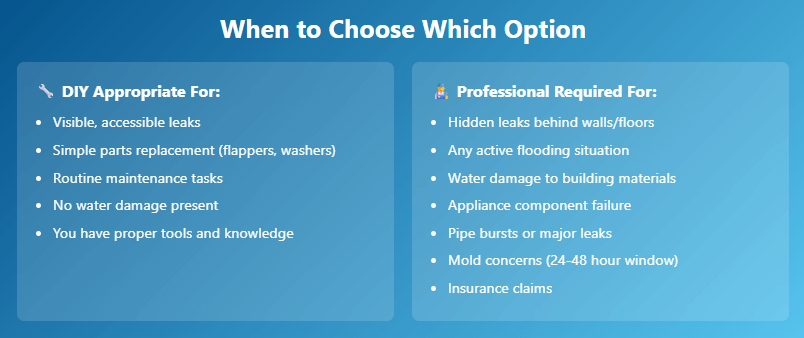
Some minor leaks fall within DIY repair capabilities, but many situations require professional expertise. Hidden leaks need specialized detection equipment like thermal imaging cameras and moisture meters. Access to pipes behind walls or under foundations requires knowledge of building structures.
Professional water leak repair services also address water damage restoration. Extracting standing water, drying affected materials, and preventing mold growth require industrial equipment and IICRC-certified techniques.
Premier Emergency Water Removal serves Auburn, WA and the entire Puget Sound region with comprehensive leak response services. Since 1998, our family-owned company has helped property owners recover from water emergencies quickly and effectively.
Our team understands that leaks create stress and uncertainty. We respond quickly to assess damage, locate leak sources, and begin restoration work. Whether you face a burst pipe, appliance failure, or hidden leak behind walls, our experienced professionals bring the equipment and expertise needed for thorough repairs.
Taking Action When Leaks Occur
Don’t wait when you discover a leak. Small problems grow into expensive repairs when ignored. Shutting off water supply to the affected fixture or area prevents additional damage while you arrange professional help.
For washing machines, dishwashers, and other appliances, turn off the individual shutoff valves typically located near the appliance. For pipe leaks, you may need to shut off the main water supply until repairs can be made.
Document the damage for insurance purposes. Take photos of affected areas, visible leaks, and water damage. Keep receipts for any emergency repairs or mitigation services.
Homeowners in the greater Seattle area and the city of Auburn, WA can count on Premier Emergency Water Removal for reliable water leak repair services. Our IICRC-certified technicians use advanced equipment to locate leaks, extract water, and restore your property to pre-damage condition.
We work with all insurance companies licensed in Washington State and help property owners navigate the claims process. From initial assessment to final restoration, we handle every aspect of leak repair and water damage recovery.
Water leaks don’t improve on their own. The longer water flows, the more damage accumulates. Professional water pipe leak repair services protect your property investment and give you peace of mind that problems are truly solved, not just temporarily patched.
Frequently Asked Questions About Water Leak Repair
How much does professional water leak repair cost for common household leaks?
Water leak repair costs vary based on leak location, severity, and required repairs. Simple faucet repairs might cost $150-300, while hidden pipe leaks requiring wall access can range from $500-2,000 or more. Emergency water leak repair services typically charge premium rates for after-hours calls, but immediate response prevents additional damage that increases overall costs. Insurance often covers sudden and accidental leaks, making professional repairs more affordable than property owners expect.
Can I perform water leak repair myself or should I hire professional water leak repair services?
Simple fixes like replacing toilet flappers, tightening faucet connections, or cleaning dishwasher filters are manageable DIY projects for handy homeowners. However, professional water leak repair services are necessary for hidden leaks, pipe access behind walls, appliance component replacement, and any situation involving extensive water damage. Professionals have detection equipment to locate hidden moisture, extraction tools to remove standing water, and expertise to prevent mold growth. Attempting complex repairs without proper knowledge can worsen damage and void insurance coverage.
How quickly do I need water pipe leak repair after discovering a leak?
Water pipe leak repair should happen as quickly as possible after discovery. Even small leaks cause progressive damage—mold can begin growing within 24-48 hours of water exposure. Leaks in walls or ceilings compromise structural integrity over time. Running leaks waste hundreds or thousands of gallons, significantly increasing utility bills. Emergency water pipe leak repair services can respond within hours to stop water flow, extract standing water, and begin drying processes that prevent secondary damage.
What types of leaks require emergency water leak repair services versus routine repairs?
Emergency water leak repair services are necessary for burst pipes, major appliance failures flooding rooms, water heater ruptures, and any leak causing active flooding or threatening electrical systems. These situations require immediate response to minimize property damage. Routine repairs handle dripping faucets, slow toilet leaks, minor appliance seepage, and other contained leaks that aren’t actively spreading water. Even routine leaks shouldn’t be ignored—schedule professional water leak repair services within days to prevent problems from escalating.
Will my insurance cover professional water leak repair and related water damage restoration?
Most homeowner insurance policies cover water leak repair and damage when the leak is sudden and accidental—like a burst pipe or appliance hose failure. Gradual leaks from lack of maintenance may not be covered. Flood damage requires separate flood insurance. Professional water leak repair services help document damage for insurance claims and can work directly with insurance companies to streamline the process. Always check your specific policy details and report leaks to your insurer promptly to ensure coverage.