What Is Water Damage Restoration?
Water damage restoration is the comprehensive process of removing water from your property, drying affected structures, and restoring your home or business to its pre-loss condition. It's not just about removing standing water—it's about preventing mold growth, salvaging belongings, and ensuring your property is safe and healthy again.
At Premier Water Removal, we've spent over 20 years helping homeowners and businesses throughout the greater Seattle area recover from water emergencies. We understand that water damage can happen suddenly, and the first hours after damage occurs are critical. That's why our IICRC-certified technicians respond quickly with advanced equipment and proven restoration techniques.
Water Damage in Your Home: Understanding the Scope
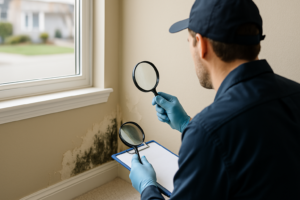
Water damage affects your home in ways many people don't immediately recognize. When water enters your property, it doesn't just sit on the surface—it penetrates walls, soaks into insulation, and seeps into the foundation. Without proper water removal and restoration, this moisture creates conditions perfect for mold growth, structural deterioration, and serious health hazards.
Water damage in your home can originate from several sources:
- Burst pipes and plumbing failures
- Heavy rainfall and flooding (especially common in the Seattle area with our annual precipitation)
- Appliance malfunctions like washing machines, water heaters, and dishwashers
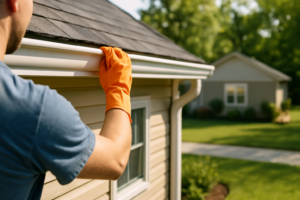
- Roof leaks from storms or age-related deterioration
- Sump pump failures during heavy water events
- Sewage backups and contaminated water intrusion
The Pacific Northwest experiences significant seasonal flooding. The Cedar River at Renton, the Snohomish River at Snohomish, and other major waterways regularly crest during heavy rain periods. If you live in Auburn or Seattle, understanding water damage restoration isn't just helpful—it could be essential when the next major rain event occurs.
The Water Damage Restoration Process Explained
Professional water damage restoration follows a systematic approach that our certified technicians have refined over thousands of projects. Here's what the process typically involves:
Step 1: Emergency Assessment and Water Removal When you call us, our first priority is stopping the water source and beginning immediate water removal. We use powerful extraction equipment to remove standing water from floors, carpets, and other affected areas. This initial water removal is critical—every hour counts when it comes to preventing mold growth and structural damage. Step 2: Structural Drying After water removal, we deploy industrial-grade drying equipment throughout your property. This includes dehumidifiers, air movers, and specialized drying techniques that target moisture hidden in walls, crawl spaces, and other areas you can't see. Our advanced drying equipment works continuously to bring moisture levels back to normal, preventing mold and further damage. Step 3: Mold Removal and Prevention Mold can begin growing within 24-48 hours of water damage. Our water damage restoration process includes mold remediation and removal to ensure your home is safe. We don't just remove visible mold—we address the moisture conditions that allow mold to thrive. Step 4: Cleaning and Sanitization Water damage often introduces contaminants into your home. We clean and sanitize affected areas, including carpet water removal and specialized cleaning for different materials. Our team uses safe, effective cleaning methods appropriate for your specific situation. Step 5: Restoration and Rebuilding Once drying is complete, we begin restoration work. This might include replacing drywall, installing new flooring, repainting, or rebuilding more significant structural components. Our goal is to return your property to its pre-loss condition.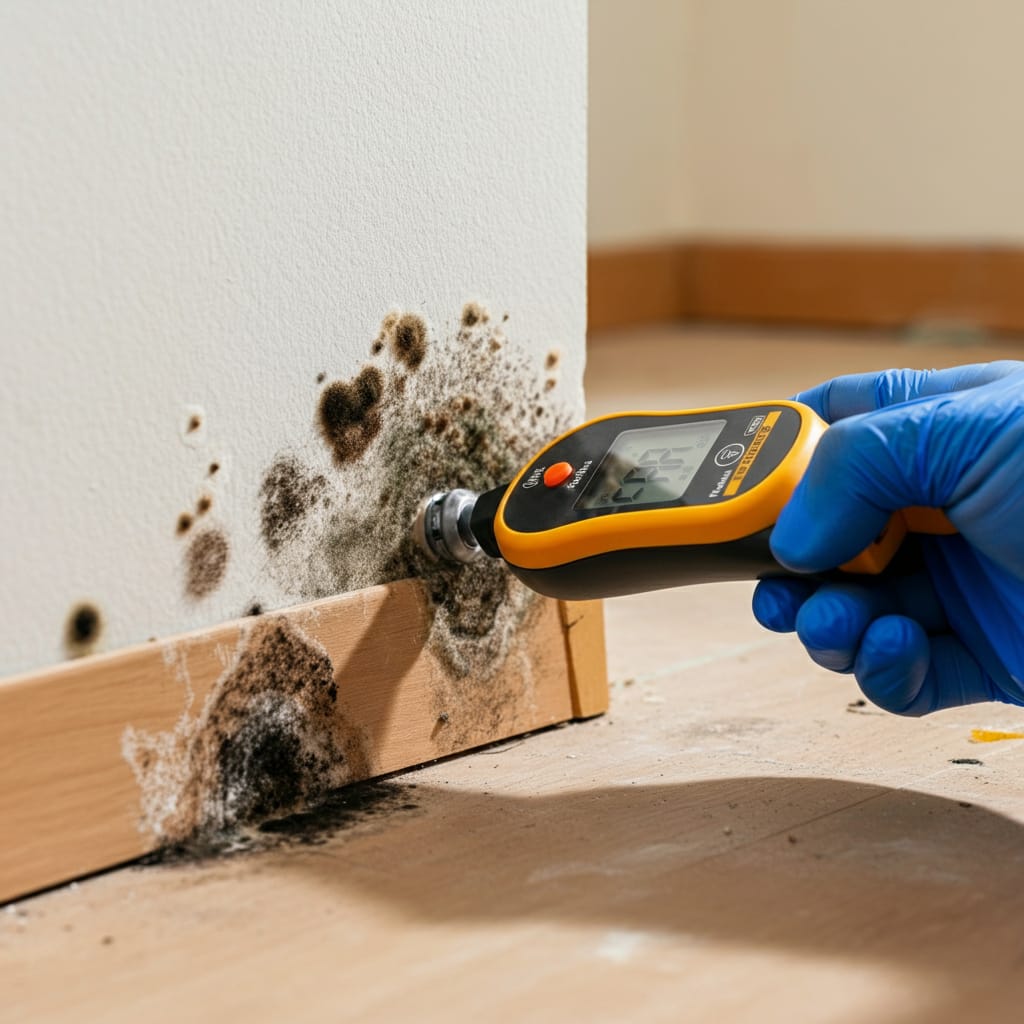
Why Professional Water Damage Restoration Matters
You might wonder if you can handle water damage restoration yourself. While minor water incidents might seem manageable, professional water damage restoration offers critical advantages:
Prevents Mold Growth Mold is one of the most serious consequences of water damage. Professional water removal and drying prevent the moisture conditions mold needs to flourish. Our certified technicians understand mold prevention at a level DIY approaches simply can't match. Protects Your Health Contaminated water and mold exposure create serious health risks, especially for children, elderly family members, and people with respiratory conditions. Professional restoration ensures your home is truly safe, not just appearing dry. Saves Your Belongings Our experience with water damage restoration means we know how to salvage items you thought were lost. We have specialized techniques for drying documents, electronics, furniture, and other valuable possessions. Works with Insurance Professional water damage restoration companies like Premier Water Removal work directly with insurance companies. We document everything, provide detailed estimates, and handle the claims process, reducing stress during an already difficult time. Uses Advanced Equipment Our water removal and drying equipment represents thousands of dollars in investment. We have industrial-grade dehumidifiers, air movers, moisture detection equipment, and specialized drying tools that homeowners don't have access to. Provides Expertise Our IICRC-certified technicians have completed extensive training in water damage restoration. They understand building science, moisture dynamics, and restoration best practices. This expertise means faster drying times, better results, and fewer complications.Water Damage Restoration in Seattle and Auburn
If you live in Auburn, Seattle, or the surrounding areas of King County, you face specific water damage risks. Our region's climate and geography create unique challenges:
The heavy rainfall we experience in the Pacific Northwest means flooding and water intrusion are genuine threats. The Skagit River at Mt. Vernon, the Cedar River at Renton, the Snohomish River at Snohomish, and the Nooksack River at North Cedarville all set new record river crests during major weather events. Even if you don't live directly near these rivers, the increased groundwater and runoff affect properties throughout the region.
Auburn and Seattle properties also face risks from aging infrastructure. Older homes may have compromised roofing, deteriorating foundations, or outdated plumbing systems more prone to failure. Seasonal considerations matter too—spring snowmelt and fall/winter storms create predictable periods of increased water damage risk.
Our 20+ years serving the greater Seattle area means we understand these local challenges. We've responded to thousands of water emergencies in Auburn, Seattle, and surrounding communities. We know the local contractors, understand insurance practices in our region, and have proven relationships with the professionals needed for complete restoration.
Common Questions About Water Damage Restoration
How quickly should I call a water damage restoration company? Immediately. Water damage gets worse every hour. Mold can begin growing within 24-48 hours. The faster you call, the more we can save and the less extensive (and expensive) restoration becomes. We offer 24/7 emergency response because timing is critical. Will my insurance cover water damage restoration? Most homeowners insurance policies cover sudden, accidental water damage like burst pipes or storm damage. Gradual leaks or flooding from external sources may not be covered without additional flood insurance. We work with your insurance company to maximize coverage and handle the claims process. How long does water damage restoration take? It depends on the extent of damage, but typical residential water damage restoration takes 5-7 days for drying, with additional time for restoration work. Some projects take longer if structural damage is extensive. We provide realistic timelines after our initial assessment. Can water damage cause mold? Absolutely. Mold growth begins within 24-48 hours of water damage if moisture isn't properly dried. Professional water removal and drying prevent mold growth. If mold is already present, we include mold remediation as part of our restoration services. What's the difference between water damage restoration and water removal? Water removal is the first step—extracting standing water from your property. Water damage restoration is the complete process including removal, drying, mold prevention, cleaning, and rebuilding. Professional restoration addresses all aspects of water damage, not just visible water. How much does water damage restoration cost? Costs vary dramatically based on damage extent, affected area size, and whether structural repair is needed. Minor water damage might cost $1,000-3,000, while extensive damage can exceed $10,000. Insurance often covers most costs. We provide detailed estimates after assessment and work with your insurance company.Water damage is one of the most serious emergencies a homeowner can face. Understanding what water damage restoration involves helps you make informed decisions when disaster strikes. At Premier Water Removal, we're committed to making the restoration process as smooth and non-invasive as possible. With our IICRC certification, advanced equipment, and 20+ years of experience serving Seattle and Auburn, we're prepared to handle any water emergency.
If you're facing water damage right now, don't wait. Contact our services team immediately for emergency water removal and restoration. We're available 24/7 to help protect your home and your family.
Frequently Asked Questions
What exactly is water damage restoration?
Water damage restoration is the complete process of removing water from your property, drying affected areas, preventing mold growth, and restoring your home to its pre-damage condition. It includes water removal, structural drying, mold remediation, cleaning, and rebuilding damaged components.
How quickly does mold grow after water damage?
Mold can begin growing within 24-48 hours of water damage. This is why immediate professional water removal and drying are critical. Our rapid response and advanced drying equipment prevent the moisture conditions mold needs to develop.
Should I try to dry out water damage myself?
Professional water damage restoration is strongly recommended. DIY drying often misses hidden moisture in walls and crawl spaces, leading to mold growth and structural damage. Our industrial equipment and IICRC-certified technicians ensure complete, effective drying.
Does homeowners insurance cover water damage restoration?
Most policies cover sudden, accidental water damage like burst pipes or storm damage. Gradual leaks or external flooding may not be covered without additional flood insurance. We work directly with your insurance company to maximize coverage and handle claims.
Why is water damage restoration important in the Seattle area?
The Pacific Northwest experiences heavy rainfall and seasonal flooding. Rivers like the Cedar River at Renton and Snohomish River regularly crest, increasing groundwater and runoff throughout the region. Professional restoration prevents mold and structural damage from our region's moisture challenges.
How long does water damage restoration take?
Typical residential water damage restoration takes 5-7 days for the drying phase, with additional time for restoration work depending on damage extent. We provide realistic timelines after our initial assessment and work to minimize disruption to your home.