When severe weather damages your roof, immediate action can mean the difference between manageable repairs and devastating water damage throughout your home. Emergency roof tarping provides critical temporary protection, preventing further damage while you arrange permanent repairs.
Understanding when and how to secure professional emergency roof tarping can save thousands in additional damage costs. Seattle’s unpredictable weather patterns make this knowledge particularly valuable for Pacific Northwest homeowners.
Emergency Roof Tarping: Protecting Your Home When Storms Strike
Understanding Emergency Roof Tarping Cost
Emergency roof tarping cost varies significantly based on several key factors. Most homeowners pay between $450 and $1,500 for professional emergency services, with costs calculated primarily by square footage and urgency level.
Standard vs. Emergency Pricing Regular roof tarping typically costs $0.70 to $2.00 per square foot during normal business hours. Emergency services command premium rates of $1.00 to $2.80 per square foot due to immediate response requirements and after-hours work.
Factors Affecting Cost Several elements influence your final emergency roof tarping cost:
- Roof size and accessibility: Larger roofs require more materials and labor time
- Roof pitch and complexity: Steep or multi-level roofs increase safety requirements and labor difficulty
- Damage severity: Extensive debris removal or structural concerns add time and complexity
- Weather conditions: Working during storms requires additional safety measures
- Time of service: Weekend, holiday, or after-hours calls typically include premium charges
Material Quality Impact Professional-grade tarps range from basic 5-mil thickness for temporary coverage to heavy-duty 25-mil materials for extended protection. Quality materials cost more initially but provide better protection and longer-lasting coverage.
Seattle Roof Tarping Emergency: When Time Matters
Seattle roof tarping emergency situations demand immediate response due to the region’s frequent rainfall and wind patterns. The Pacific Northwest’s climate means water intrusion can quickly escalate from minor leaks to major structural damage.
Common Emergency Scenarios Several situations warrant immediate emergency roof tarping in the Seattle area:
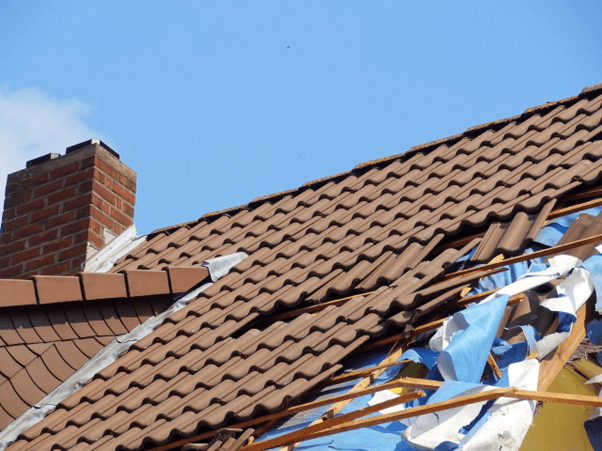
- Storm damage: High winds, falling trees, or hail creating openings in the roof
- Fire damage: Burned sections requiring immediate weather protection
- Structural failure: Age-related collapses or unexpected material failure
- Accident damage: Vehicle impacts or construction accidents
The Critical 24-Hour Window Professional restoration experts emphasize the importance of securing damaged roofs within 24 hours. This timeframe helps prevent:
- Water penetration into interior spaces
- Mold growth in humid conditions
- Structural deterioration from moisture exposure
- Personal property damage from continued exposure
Weather Considerations Seattle’s climate creates specific challenges for emergency roof tarping. High humidity levels accelerate mold growth, while frequent precipitation means multiple exposure events if roofs remain unprotected.
Professional teams use weather-resistant materials and secure attachment methods designed for Pacific Northwest conditions. Heavy-duty tarps with reinforced edges and proper anchoring systems withstand regional wind patterns and precipitation levels.
The Professional Emergency Tarping Process
Professional emergency roof tarping follows systematic steps to ensure effective protection and safety. Understanding this process helps homeowners know what to expect during emergency situations.
Initial Assessment and Safety Certified technicians begin with comprehensive damage assessment from ground level when possible. Safety remains the top priority, especially during active weather events or unstable conditions.
Professional teams use specialized equipment including safety harnesses, non-slip footwear, and proper ladder systems. They assess not only visible damage but also potential hidden issues that could affect tarping success.
Material Selection and Preparation Experienced professionals select appropriate tarp materials based on damage extent, expected coverage duration, and local weather forecasts. They calculate required square footage and gather necessary anchoring materials including lumber, screws, and weighted systems.
Installation and Securing Proper installation involves overlapping tarp edges beyond damaged areas and creating secure attachment points that won’t tear or pull away during wind events. Professional teams use techniques like sandbagging, lumber strips, and specialized fasteners designed for different roof materials.
Documentation and Follow-up Professional services provide detailed documentation including photographs, damage assessments, and material specifications. This documentation proves valuable for insurance claims and permanent repair planning.
Choosing Professional vs. DIY Emergency Tarping
While emergency situations sometimes force immediate action, understanding the risks and benefits of professional versus DIY emergency roof tarping helps inform better decisions.
Safety Considerations Roof work involves significant safety risks, particularly during emergency conditions. Professionals possess proper safety equipment, training, and experience working on damaged or unstable surfaces.
DIY attempts during emergency conditions often result in additional injuries or property damage. Wet, damaged, or debris-covered roofs present serious fall hazards for untrained individuals.
Quality and Effectiveness Professional installation ensures proper coverage, secure attachment, and weather resistance. Experienced teams understand local wind patterns, precipitation levels, and material requirements for Pacific Northwest conditions.
Improper DIY installation often leads to tarp failure during subsequent weather events, resulting in additional damage and higher overall costs.
Insurance Implications Most homeowner insurance policies cover emergency tarping costs when performed by licensed professionals. Some policies specifically require professional installation for coverage eligibility.
Professional services provide detailed documentation and work with insurance adjusters to streamline claims processes. This support proves invaluable during stressful post-damage situations.
Serving Auburn Washington and the Puget Sound Region
Premier Water Removal has protected Puget Sound area homes since 1998, providing immediate emergency roof tarping response throughout Seattle, Auburn, and surrounding communities. Our IICRC-certified technicians understand regional weather patterns and building requirements.
We respond to emergency calls 24/7, arriving equipped with professional-grade materials and safety equipment. Our team coordinates with insurance companies and provides comprehensive documentation to support your claims process.
Our experience serving the Auburn Washington area and broader Puget Sound region means we understand local building codes, weather challenges, and community needs. We work efficiently to protect your property while minimizing disruption during already stressful situations.
Frequently Asked Questions
How quickly can emergency roof tarping services respond in Seattle? Most professional emergency roof tarping services respond within 1-2 hours during business hours and 2-4 hours for after-hours emergencies. Weather conditions may affect response times for safety reasons.
Will my homeowner’s insurance cover emergency roof tarping costs? Most policies cover emergency tarping when it prevents further damage from covered perils like storms or accidents. Professional installation and proper documentation help ensure coverage eligibility.
How long can an emergency roof tarp remain in place? Professional-grade tarps typically last 2-8 weeks depending on weather conditions and tarp quality. Heavy-duty materials in good conditions can provide protection for several months while permanent repairs are arranged.
Should I attempt emergency roof tarping myself to save money? Emergency roof work involves significant safety risks, especially on damaged surfaces. Professional installation ensures proper protection and often costs less than addressing additional damage from failed DIY attempts.
What should I do immediately after discovering roof damage? Ensure personal safety first, then document damage with photographs if safely possible. Contact professional emergency tarping services immediately and notify your insurance company to begin the claims process.