What is The Fire Damage Restoration Process?
When fire strikes your home or business, the damage extends far beyond visible flames. Smoke, soot, water from firefighting efforts, and structural damage create a complex restoration challenge that requires professional expertise and careful planning. At Premier Water Removal, we've spent over 20 years helping Seattle-area property owners navigate the fire damage restoration process with confidence and clarity.
Fire damage restoration is a systematic, multi-phase process designed to safely return your property to its pre-loss condition. Understanding each step helps you know what to expect and why our certified technicians take specific actions throughout the recovery journey. Whether you're dealing with minor smoke damage or catastrophic fire loss, the restoration process follows established industry standards that protect your safety and preserve your property.
Initial Assessment and Safety Evaluation
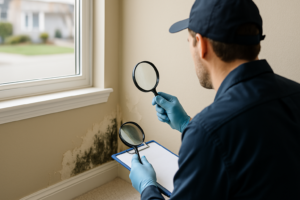
The first critical step in any fire damage restoration process is a comprehensive assessment. Our IICRC-certified technicians arrive at your property to evaluate the extent of damage across all affected areas. This assessment determines the scope of work, identifies potential hazards, and establishes the restoration timeline.
During this initial evaluation, we examine:
- Structural integrity - We assess whether walls, floors, ceilings, and support beams remain safe for occupancy and work
- Smoke and soot penetration - Different materials absorb smoke differently, requiring tailored cleaning approaches
- Water damage from firefighting - Firefighters use thousands of gallons of water, creating secondary damage we must address immediately
- Electrical and gas safety - We identify hazards that could pose risks during restoration work
- Air quality concerns - Smoke particles and chemical residues affect indoor air quality and require remediation
This assessment phase is essential because it prevents costly mistakes. Many property owners attempt cleanup without professional evaluation, inadvertently spreading soot throughout unaffected areas or damaging materials that could be salvaged. Our certified team uses industry-standard assessment protocols to create an accurate restoration plan before any work begins.
Water Removal and Extraction
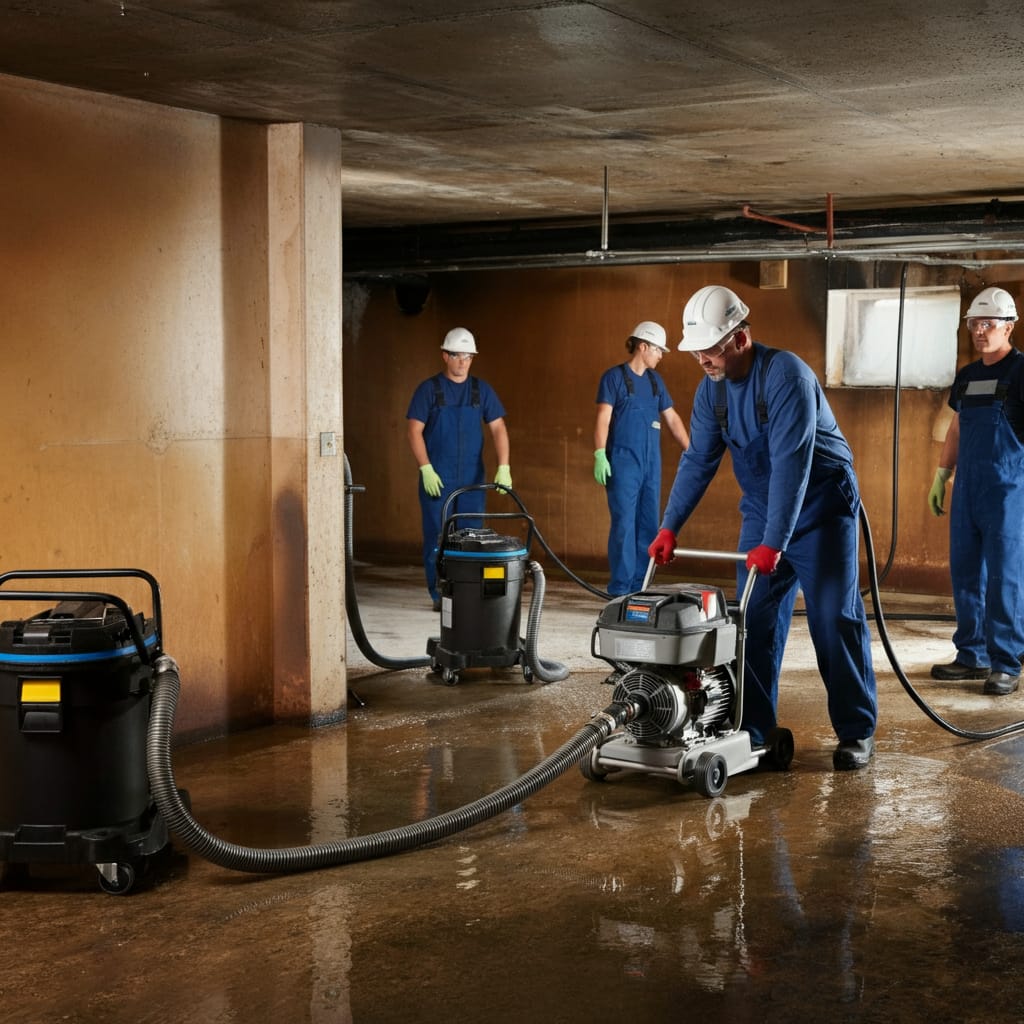
One often-overlooked aspect of fire damage restoration is the water damage created during firefighting efforts. Firefighters may spray 20,000 to 40,000 gallons of water on a single-story home, and this water must be removed quickly to prevent secondary damage like mold growth and structural deterioration.
Our water removal specialists use advanced extraction equipment to eliminate standing water within hours of the initial fire. This rapid response is critical because:
- Mold prevention - Standing water creates ideal conditions for mold growth within 24-48 hours
- Structural protection - Water-saturated wood and drywall deteriorate rapidly, compromising structural integrity
- Odor control - Prolonged water presence creates persistent musty smells that permeate materials
- Contents preservation - Quick water removal increases the likelihood of salvaging personal belongings and furnishings
We deploy submersible pumps, wet vacuums, and portable extraction units to remove water from basements, crawl spaces, and affected rooms. Our team also identifies hidden moisture in wall cavities and under flooring, addressing water damage that isn't immediately visible. This comprehensive approach prevents costly problems that emerge weeks or months after the initial fire.
Drying and Dehumidification
After water extraction, the drying phase begins. This is where professional restoration differs dramatically from DIY attempts. Simply opening windows isn't sufficient—we use industrial-grade drying equipment to control moisture levels precisely.
Our drying process includes:
- Air movers - These high-velocity fans circulate air across wet surfaces, accelerating evaporation
- Dehumidifiers - Industrial dehumidifiers extract moisture from the air, preventing re-absorption into materials
- Moisture monitoring - We use moisture meters to track drying progress in walls, flooring, and structural materials
- Strategic equipment placement - Our technicians position equipment to optimize airflow and drying efficiency
The drying phase typically lasts 3-7 days, depending on the extent of water damage and environmental conditions. During Seattle's wet seasons—particularly during the heavy rainfall months—proper drying becomes even more critical. Our team adjusts equipment based on outdoor humidity levels and seasonal weather patterns to ensure complete drying before restoration work begins.
Cleaning and Restoration
Once your property is dry, the cleaning and restoration phase addresses smoke, soot, and odor damage. This phase requires specialized knowledge because different materials require different cleaning approaches.
Smoke and Soot Removal
Smoke damage penetrates deep into materials, requiring targeted cleaning strategies:
- Dry cleaning - For light smoke damage, dry cleaning methods remove soot without introducing moisture
- Wet cleaning - For heavy smoke residue, wet cleaning with specialized detergents removes embedded particles
- Thermal fogging - This process neutralizes odors by introducing deodorizing fog that penetrates materials
- Ozone treatment - In some cases, ozone generators neutralize persistent smoke odors
Content and Personal Belongings
We understand that your belongings hold both monetary and sentimental value. Our restoration team carefully evaluates each item's salvageability and employs appropriate cleaning methods. Some items are cleaned on-site, while others may be transported to our specialized cleaning facility for intensive restoration.
Structural Restoration
Our services include restoring damaged structural elements:
- Drywall replacement - Fire-damaged drywall is removed and replaced with new material
- Flooring restoration - Hardwood, carpet, and tile damaged by fire and water are repaired or replaced
- Paint and finishes - We apply fresh paint and finishes to restore your property's appearance
- Insulation replacement - Fire-damaged insulation is removed and replaced to restore energy efficiency
Final Inspection and Prevention
Before we consider restoration complete, our team conducts a final inspection to verify that all damage has been addressed and your property is safe for occupancy. This inspection confirms:
- Moisture levels are normalized - Moisture readings are within acceptable ranges throughout the property
- Structural integrity is verified - All structural elements are sound and safe
- Air quality is restored - Indoor air quality meets safety standards
- All cleaning is complete - No soot residue or smoke odor remains
Seasonal Considerations for Seattle Area
Living in the greater Seattle area means understanding how seasonal weather affects restoration. During wet months, we implement additional moisture control measures. The region's high humidity and frequent rainfall require extended drying times and more aggressive dehumidification. Our team adjusts restoration timelines based on seasonal weather patterns, ensuring thorough drying even during challenging weather conditions.
The Desimone Levee on the Green River and other regional flood control systems are designed to manage heavy rainfall, but fire damage combined with seasonal flooding creates compounded challenges. We maintain protocols specifically for properties affected by both fire and flood damage during peak rainfall seasons.
Prevention and Future Protection
As part of our comprehensive restoration approach, we discuss prevention strategies to protect your property from future fire damage:
- Fire suppression systems - We recommend installing or upgrading sprinkler systems
- Smoke detectors - Proper placement and maintenance of smoke detectors saves lives
- Fire-resistant materials - When replacing damaged materials, we discuss fire-resistant alternatives
- Emergency preparedness - We provide guidance on creating emergency plans and maintaining important documents
Why Professional Restoration Matters
Fire damage restoration isn't simply cleanup—it's a specialized process requiring certified expertise, advanced equipment, and industry knowledge. Our IICRC-certified technicians understand the science behind fire, smoke, and water damage. We know which materials can be salvaged, which require replacement, and how to prevent secondary damage during the restoration process.
With over 20 years serving the greater Seattle area and more than 1,000 successful restoration projects, Premier Water Removal has earned the trust of homeowners and businesses facing fire emergencies. Our 24/7 availability means we're ready to respond immediately when disaster strikes, minimizing damage and accelerating your return to normalcy.
The fire damage restoration process is complex, but you don't have to navigate it alone. Our experienced team handles every phase professionally, keeping you informed throughout the journey and ensuring your property is restored safely and completely.
Frequently Asked Questions
How long does the fire damage restoration process typically take?
The timeline varies based on damage severity, but most restoration projects take 2-4 weeks from initial assessment to final inspection. Water removal happens within the first 24-48 hours, drying takes 3-7 days, and restoration work follows. Complex projects involving structural damage may take longer. Our team provides a detailed timeline during the initial assessment.
Should I attempt to clean smoke and soot damage myself?
We strongly recommend against DIY cleanup. Improper cleaning can spread soot throughout your home, damage materials, and create health hazards. Smoke particles are extremely fine and penetrate deep into materials. Professional cleaning equipment and specialized detergents ensure complete removal without causing additional damage. Our certified technicians have the expertise to clean safely and effectively.
Will my homeowner's insurance cover fire damage restoration?
Most homeowner's insurance policies cover fire damage restoration, including water damage from firefighting efforts. We work directly with insurance companies and can help document damage for your claim. We recommend contacting your insurance agent immediately after a fire. Our team can provide detailed estimates and work with your adjuster throughout the restoration process.
How do you prevent mold growth after fire and water damage?
Rapid water removal is the first defense against mold. We extract standing water within hours and use industrial dehumidifiers to eliminate moisture from materials and the air. Our moisture monitoring ensures all materials dry completely before restoration begins. We also apply antimicrobial treatments when appropriate and maintain proper ventilation throughout the drying phase.
Can you salvage personal belongings damaged by fire and smoke?
Many items can be salvaged with professional cleaning and restoration. We carefully evaluate each item's condition and employ appropriate cleaning methods—dry cleaning for light damage, wet cleaning for heavy residue. Some items are cleaned on-site while others are transported to our specialized facility. Not everything can be saved, but our team maximizes salvage rates whenever possible.
What should I do immediately after a fire in my home?
First, ensure everyone is safe and call emergency services if needed. Once the fire is extinguished, evacuate the property and don't return until authorities declare it safe. Call Premier Water Removal immediately—we provide 24/7 emergency response. Document damage with photos for insurance purposes. Avoid touching soot or attempting cleanup, as this can spread contamination. Our team will handle assessment and restoration planning.