Flood damage changes everything in an instant. One moment your property operates normally, and the next you’re dealing with standing water, damaged materials, and the overwhelming question of what to do next. Premier Emergency Water Removal handles Seattle flood repair projects throughout the Puget Sound region, helping property owners navigate the restoration process from initial damage assessment through final repairs.
The difference between a successful restoration and ongoing problems often comes down to understanding what flood repair actually involves. Many property owners focus solely on removing water, but effective flood damage repair requires addressing hidden moisture, preventing secondary damage, and rebuilding affected structures to meet current building standards.
Seattle Flood Repair: Restoring Your Property After Water Damage
Understanding Commercial Flood Damage Repair
Businesses face unique challenges during commercial flood damage repair. A flooded office building can’t simply shut down for weeks while work continues. Retail spaces need to reopen quickly to prevent revenue loss. Warehouses must protect inventory while restoration teams remove water and dry structural components.
Commercial flood damage repair involves coordinating multiple trades, managing business operations during restoration, and meeting commercial building codes that differ significantly from residential requirements. Premier Emergency Water Removal works with business owners to develop restoration plans that minimize operational disruption while thoroughly addressing all flood damage.
Office buildings often experience flooding from roof failures, sprinkler system malfunctions, or plumbing failures in upper floors that cascade water through multiple levels. These scenarios require specialized commercial flood damage repair approaches that protect electronic equipment, preserve important documents, and maintain safe working conditions for employees who may need to access certain areas during restoration.
Manufacturing facilities and warehouses present additional complexity. Production equipment sensitive to moisture requires immediate protection. Concrete floors in industrial spaces need different drying approaches than carpeted office areas. Loading docks and shipping operations often must continue functioning even while repair work progresses in adjacent spaces.
The Flood Damage Repair Process
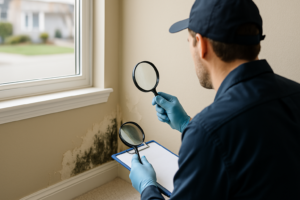
Effective flood repair starts with accurately identifying all affected areas. Water follows paths through buildings that aren’t always obvious. It seeps into wall cavities, travels along floor joists, and accumulates in spaces where you can’t see it without proper detection equipment.
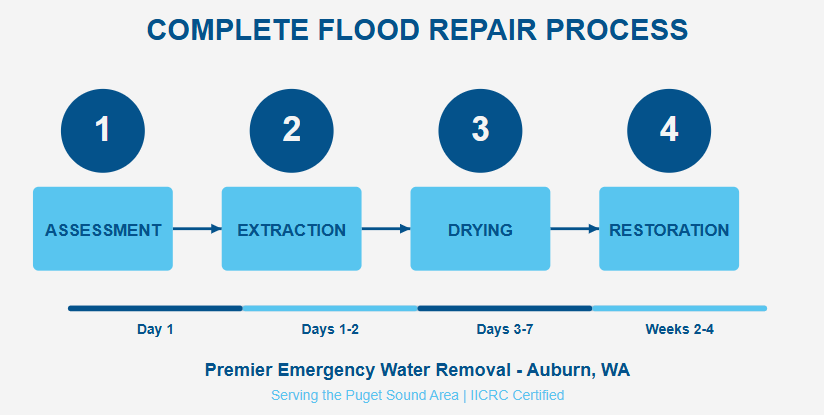
Premier Emergency Water Removal uses moisture meters and thermal imaging cameras to map exactly where water has traveled throughout a structure. This assessment reveals the full scope of necessary repairs before work begins. Discovering hidden moisture problems weeks into a restoration project causes delays and increases costs significantly.
Once assessment is complete, water extraction removes standing water and moisture from salvageable materials. Industrial extraction equipment pulls water from carpet, padding, and subflooring much faster than it would evaporate naturally. This rapid removal prevents mold growth and reduces the likelihood of permanent damage to structural components.
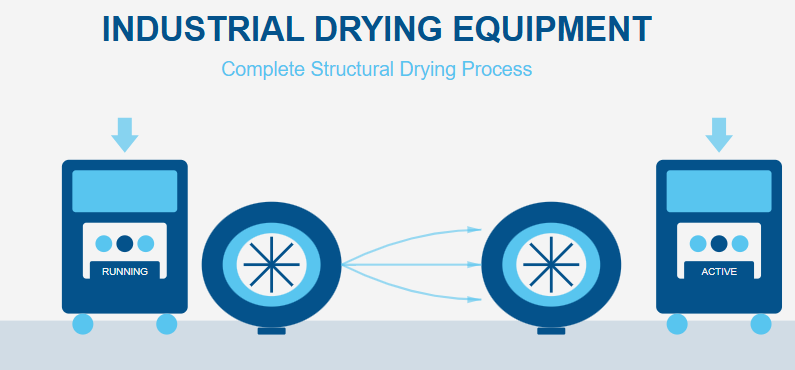
Structural drying follows extraction. Commercial-grade dehumidifiers and air movers create controlled conditions that remove moisture from building materials. Drywall, framing lumber, and concrete all retain water differently and require specific drying approaches. Proper structural drying typically takes several days, depending on how much water entered the property and which materials were affected.
Repairing Structural Damage
After drying is complete, actual repairs begin. Flood water often damages drywall beyond salvage. Even when drywall appears intact after drying, it may have lost structural integrity or developed contamination that makes replacement necessary. Flooring frequently requires replacement, especially when water has been standing for more than 24 hours.
Electrical systems affected by flood water need careful inspection. Water intrusion into outlets, switches, and electrical panels creates serious safety hazards. Licensed electricians evaluate all affected electrical components and make necessary repairs before restoration work concludes.
Plumbing systems may also need attention, particularly when flooding resulted from pipe failures or sewer backups. Even when the initial water source is fixed, flood conditions can damage other plumbing components that weren’t directly involved in the initial failure.
Commercial Property Considerations
Commercial properties require restoration approaches that residential projects don’t. Building codes for commercial spaces differ from residential requirements. Permits may be required for repair work that wouldn’t need permits in a home. Accessibility requirements, fire safety systems, and occupancy classifications all affect how restoration work proceeds.
Insurance coordination becomes more complex with commercial properties. Business interruption coverage, equipment protection, and liability concerns all factor into the restoration process. Premier Emergency Water Removal documents damage thoroughly and coordinates directly with insurance adjusters to support commercial claims.
Tenant relationships also require attention during commercial flood damage repair. Property managers need to communicate with tenants about timeline expectations, access restrictions, and temporary relocations. Retail tenants may need special accommodations for customer access during repairs. Office tenants often require data protection and equipment security during restoration work.
Making Decisions During Restoration
Property owners face numerous decisions during flood damage repair. Should water-damaged materials be dried and cleaned, or replaced entirely? Are temporary repairs sufficient, or does the situation warrant comprehensive rebuilding? How quickly must repairs be completed, and what trade-offs exist between speed and cost?
These decisions benefit from experienced guidance. Premier Emergency Water Removal helps property owners evaluate options based on damage severity, building codes, insurance coverage, and long-term property goals. A 20-year-old commercial building might benefit from upgrades during restoration that weren’t strictly necessary but improve the property’s value and functionality.
Material selection affects both immediate restoration costs and long-term maintenance. Water-resistant materials cost more initially but reduce vulnerability to future water damage. Standard materials may be adequate for areas unlikely to experience future flooding. Making these choices requires understanding both the property’s history and its probable future risks.
Preventing Future Flood Damage
Effective flood repair doesn’t just restore a property to its pre-damage condition. It also addresses conditions that made the flooding possible in the first place. Foundation drainage problems, inadequate roof maintenance, or aging plumbing systems often contribute to flood events.
Premier Emergency Water Removal identifies these contributing factors during the repair process and recommends improvements that reduce future flood risk. Installing backflow preventers, upgrading sump pump systems, or improving foundation drainage may prevent the next flood from occurring.
Building materials and construction techniques have improved significantly over time. Flood-resistant drywall, improved moisture barriers, and better sealing materials all help protect properties from water intrusion. Incorporating these improvements during flood repair makes properties more resilient.
Working with Restoration Professionals
Successful flood damage repair requires coordination among multiple specialists. Structural drying experts, licensed contractors, electricians, plumbers, and insurance adjusters all play roles in restoring a property. Property owners benefit from working with a restoration company that coordinates these various professionals rather than managing each relationship separately.
Premier Emergency Water Removal serves Auburn and the greater Seattle area with comprehensive flood repair services. Our team coordinates all aspects of restoration from initial damage assessment through final rebuilding, ensuring property owners receive complete solutions rather than piecemeal repairs.
IICRC certification demonstrates that restoration technicians follow industry standards for water damage mitigation and structural drying. These standards exist because decades of experience has shown which approaches produce lasting results and which create problems down the road.
Frequently Asked Questions
How long does complete flood damage repair take?
Timeline depends on damage extent and property size. Water extraction typically completes within 1-2 days. Structural drying usually requires 3-7 days. Actual repairs and rebuilding can take several weeks for extensive damage. Commercial properties with complex systems or special requirements may need longer timelines.
What’s the difference between flood restoration and regular water damage repair?
Flood damage typically involves larger water volumes, multiple affected areas, and contamination concerns that isolated leaks don’t present. Flood repair requires more extensive drying, often involves structural repairs, and may need mold remediation if response wasn’t immediate. The repair process is more comprehensive than fixing a single leak.
Can my business stay open during commercial flood damage repair?
This depends on damage location and severity. Some businesses can remain partially operational while repairs occur in isolated areas. Extensive damage may require temporary closure. Premier Emergency Water Removal works with business owners to develop restoration plans that minimize downtime and protect revenue when possible.
How do I know if materials should be dried or replaced?
Porous materials like drywall and insulation often require replacement after significant water exposure. Hard surfaces like tile and concrete can usually be dried and cleaned. Materials exposed to contaminated water typically need replacement regardless of type. Professional assessment determines which approach makes sense for specific materials and damage patterns.
Does flood repair include mold prevention?
Professional flood repair includes mold prevention through rapid water removal, complete structural drying, and antimicrobial treatment when appropriate. Mold grows when moisture remains in building materials beyond 24-48 hours. Proper drying prevents mold problems before they start. If mold has already developed, remediation becomes part of the repair process.