When water invades your property, time becomes your most valuable asset. Whether from burst pipes, appliance failures, or Pacific Northwest storms, water damage accelerates rapidly—often causing irreversible harm within hours. Premier Water Removal has responded to thousands of water emergencies across the Puget Sound region since 1998, and we understand exactly why immediate action saves both property and money.
Water doesn’t wait for convenient hours. It strikes basements at midnight, floods businesses during peak operations, and damages homes while families sleep. That’s why professional emergency response exists—to minimize destruction when every second matters.
Emergency Water Extraction: Why Every Minute Counts
The Science Behind Water Damage Progression
Water damage follows predictable patterns that worsen dramatically over time. Within the first few minutes, clean water begins penetrating porous materials like drywall, insulation, and subflooring. After several hours, this water starts degrading in quality as it absorbs contaminants.
Hours 1-24: Water spreads horizontally and vertically through building materials. Drywall begins swelling, wood starts warping, and metal fixtures may begin showing corrosion signs.
Hours 24-48: Mold spores, naturally present in Seattle’s humid climate, find ideal growing conditions. Bacteria multiply rapidly in standing water, creating health hazards and unpleasant odors.
Days 3-7: Structural damage becomes significant. Wood rot accelerates, electrical systems face permanent damage, and mold colonies establish themselves throughout affected areas.
This timeline explains why immediate water extraction prevents minor incidents from becoming major renovations.
Commercial Water Extraction: Protecting Business Operations
Business water emergencies carry additional complexity beyond residential situations. Commercial properties often feature intricate layouts, specialized equipment, and regulatory compliance requirements that demand expert handling.
Operational Continuity: Every hour of business downtime represents lost revenue, disrupted customer relationships, and potential contract penalties. Professional commercial services focus on rapid water removal to minimize operational interruption.
Complex Building Systems: Office buildings, warehouses, and retail spaces contain sophisticated HVAC systems, server rooms, and specialized flooring that require targeted extraction techniques. Standard residential equipment often proves inadequate for these environments.
Documentation Requirements: Commercial properties need detailed damage assessment and documentation for insurance claims, regulatory compliance, and business continuity planning. Professional services provide this crucial paperwork alongside physical restoration.
Health and Safety Compliance: Businesses must maintain safe environments for employees and customers. Commercial water extraction includes proper sanitization and air quality restoration to meet occupational health standards.
Premier Water Removal’s commercial expertise spans office complexes, retail locations, industrial facilities, and healthcare properties throughout the city of Auburn, Washington, and surrounding areas.
Emergency Water Cleanup: Beyond Simple Water Removal
Effective emergency response involves far more than removing visible water. Comprehensive cleanup addresses hidden moisture, prevents secondary damage, and restores healthy indoor environments.
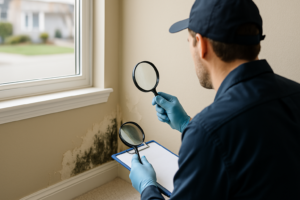
Moisture Detection: Advanced equipment locates water trapped inside walls, beneath flooring, and within building cavities. Thermal imaging cameras and moisture meters identify problems invisible to casual inspection.
Rapid Extraction: Professional-grade pumps, truck-mounted vacuum systems, and specialized extraction tools remove thousands of gallons quickly—far exceeding capabilities of household equipment.
Structural Drying: Industrial dehumidifiers, air movers, and heat drying systems eliminate moisture from building materials before permanent damage occurs. This process typically requires 3-5 days of continuous operation.
Contamination Control: Water often carries bacteria, sewage, chemicals, or other contaminants requiring specialized cleaning protocols. Professional cleanup includes proper sanitization and disposal procedures.
Air Quality Restoration: Standing water and wet materials release particles and odors into indoor air. Comprehensive cleanup includes air filtration and deodorization to restore healthy breathing environments.
Seattle’s Unique Water Emergency Challenges
The Pacific Northwest’s climate creates specific challenges for water damage response. Seattle’s frequent rainfall, high humidity, and older building infrastructure increase both water damage frequency and complexity.
Year-Round Moisture: Seattle’s damp climate means buildings already contain elevated moisture levels before emergencies occur. This environment accelerates mold growth and complicates drying processes.
Older Building Stock: Many Seattle-area properties feature aging plumbing, roof systems, and drainage infrastructure prone to failure during heavy rainfall periods.
Soil Conditions: Local soil composition affects foundation drainage and basement flooding patterns. Professional services understand these regional factors when planning water removal strategies.
Seasonal Factors: Winter storms, spring snowmelt, and summer humidity each present distinct challenges requiring adapted response techniques.
Our team’s decades of local experience means we understand these regional factors and adapt our emergency response accordingly.
Professional vs. DIY Water Extraction
Property owners often attempt water removal using household equipment, but this approach frequently worsens damage while creating false confidence about problem resolution.
Equipment Limitations: Household wet vacuums and fans cannot achieve the extraction volumes and drying speeds necessary for effective water damage mitigation. Professional equipment processes hundreds of times more water per hour.
Hidden Damage Detection: Water travels through wall cavities, beneath flooring, and into building systems where homeowners cannot detect its presence. Professional assessment identifies all affected areas.
Health and Safety Risks: Standing water often contains sewage, chemicals, or biological contaminants dangerous to handle without proper protective equipment and training.
Insurance Implications: Many insurance policies require professional documentation and certified restoration procedures. DIY attempts may void coverage or reduce claim payments.
When to Call Emergency Services
Certain situations always require immediate professional intervention, regardless of apparent damage severity:
Category 2 or 3 Water: Gray water (from washing machines, dishwashers) and black water (sewage, flooding) contain contaminants requiring specialized handling and disposal.
Electrical Systems: Water near electrical panels, outlets, or appliances creates electrocution risks requiring immediate professional assessment.
Large Volumes: More than a few inches of standing water exceeds household equipment capabilities and requires professional extraction.
Structural Concerns: Sagging ceilings, buckling floors, or visible structural damage indicate serious problems needing expert evaluation.
Business Operations: Any commercial water damage justifies professional response to minimize downtime and ensure proper cleanup.
Recovery Timeline and Expectations
Professional water extraction and cleanup typically follows predictable phases, though timelines vary based on damage extent and building characteristics.
Emergency Response (Hours 1-4): Initial assessment, source control, and emergency water removal to prevent further damage.
Extraction Phase (Days 1-2): Complete water removal from all accessible areas using professional equipment.
Drying Phase (Days 3-7): Moisture elimination from building materials using controlled drying techniques.
Restoration Phase (Days 7-14): Repair or replacement of damaged materials and final cleanup.
This systematic approach ensures thorough restoration while minimizing disruption to daily routines.
Serving the Greater Seattle Community
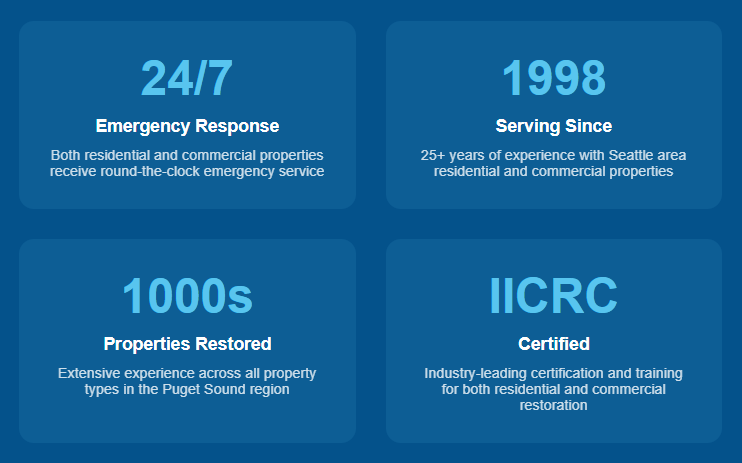
Premier Water Removal has built lasting relationships throughout the Puget Sound area by delivering reliable emergency response when families and businesses need help most. Our IICRC-certified technicians combine advanced equipment with local knowledge to restore properties efficiently and completely.
We understand that water emergencies create stress and uncertainty. Our team provides clear communication, detailed documentation, and compassionate service throughout the restoration process. Whether dealing with a small residential leak or major commercial flooding, we treat every situation with the urgency and professionalism it deserves.
Frequently Asked Questions
How quickly should I respond to water damage in my property? Immediate response within the first few hours dramatically improves outcomes. Even waiting overnight can double restoration costs and increase health risks from mold growth.
What’s the difference between emergency water extraction and regular cleanup? Emergency extraction uses specialized high-volume equipment and operates around the clock to remove water before serious damage occurs. Regular cleanup addresses existing damage after water has been standing for extended periods.
Can I handle commercial water extraction with residential equipment? Commercial properties require industrial-grade equipment and specialized expertise. Residential tools cannot achieve the extraction volumes and drying speeds necessary for business environments.
How do I know if water damage requires professional emergency services? Any water damage affecting more than a small area, involving contaminated water, or threatening business operations warrants professional response. When in doubt, quick professional assessment prevents larger problems.
What should I do immediately after discovering water damage? Ensure safety first, then stop the water source if possible. Contact professional emergency services immediately, even for apparently minor situations. Document damage with photos for insurance purposes while waiting for professional response.